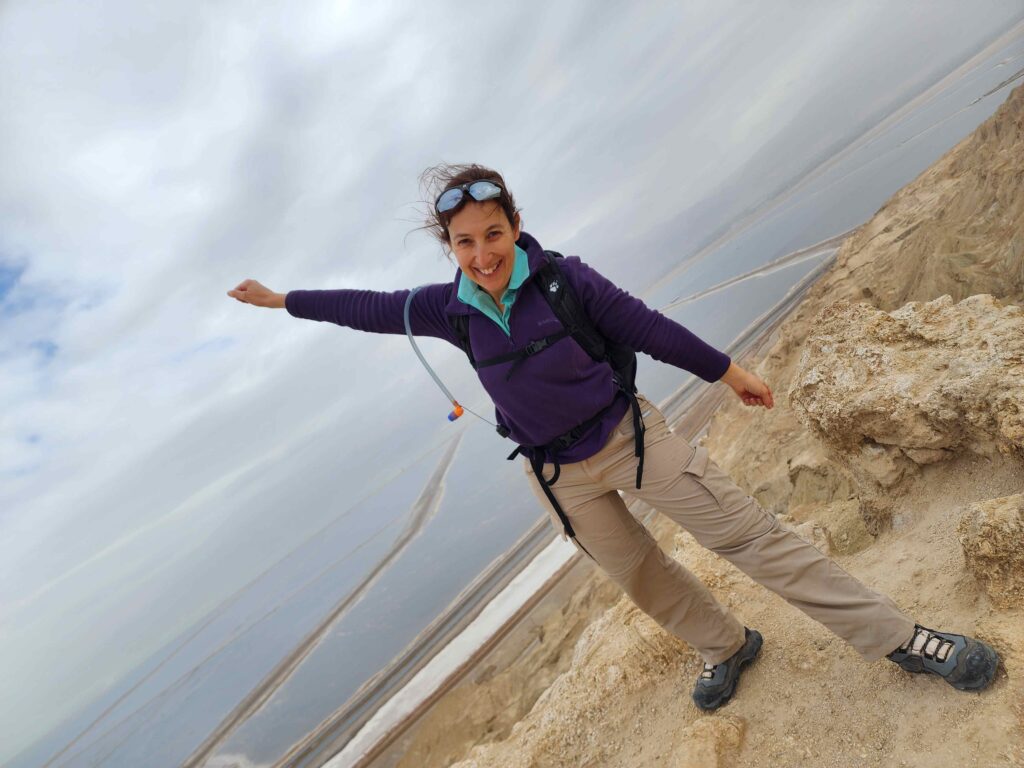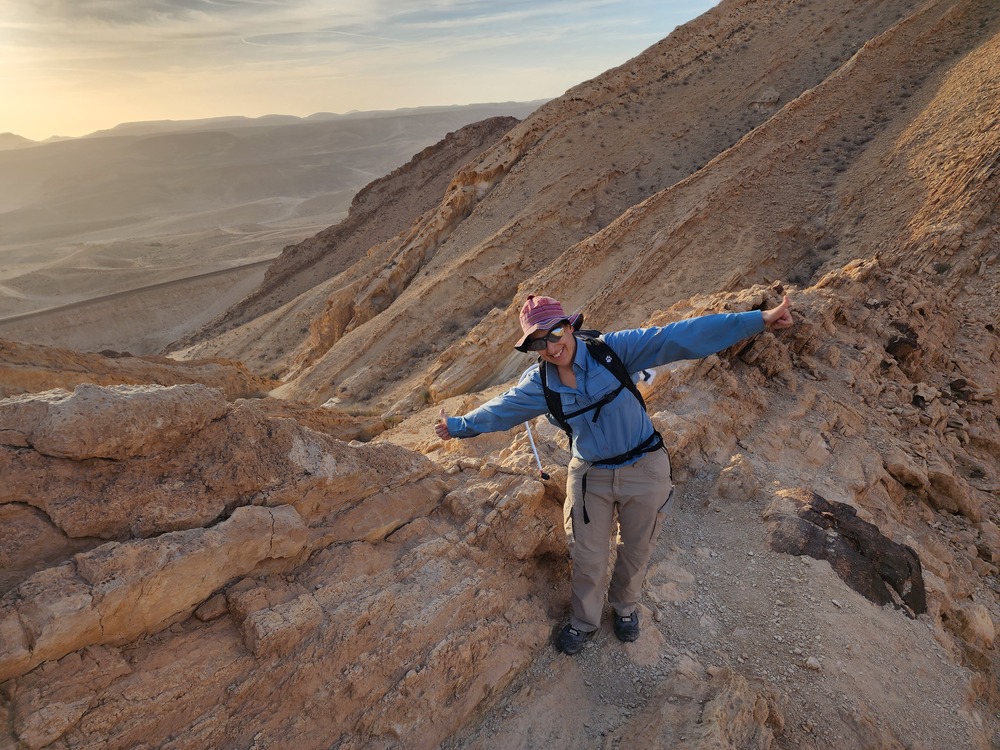
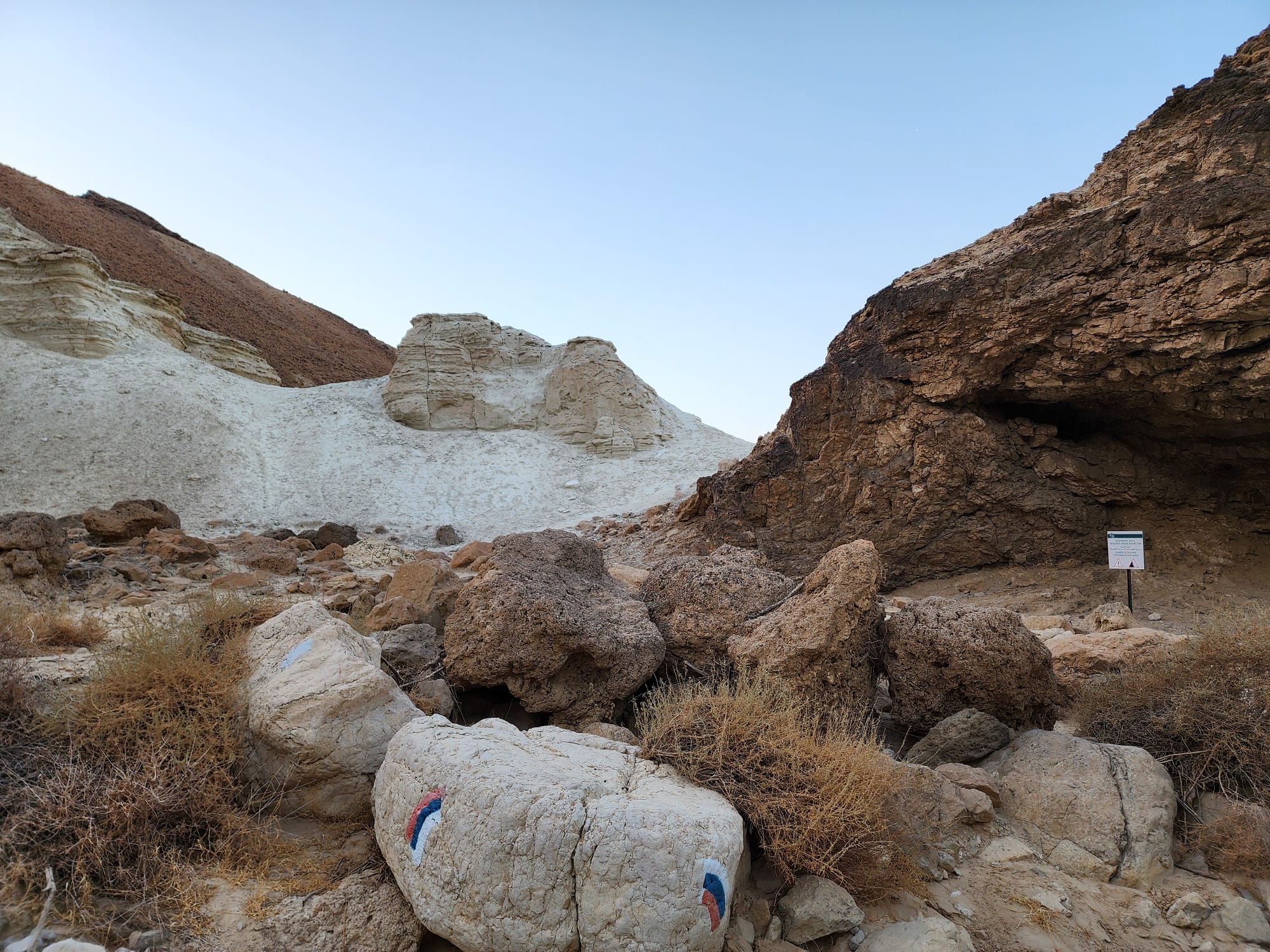
Did you know that over 60% of Israel’s landmass is classified as desert?
When visitors think of Israel, they often picture the ancient stones of Jerusalem or the vibrant beachfront of Tel Aviv. But step just a short drive outside these cities, and you enter a striking, sun-washed world of limestone cliffs, dramatic craters, and lush oasis springs.
In meteorology, a region is defined as a desert if it receives less than () of annual rainfall. While that definition applies to more than half of Israel, here is the secret most first-time travelers don’t realize: Israel doesn’t have just one desert—it has two distinct deserts.
The Negev and the Judean Desert may sit side by side on a map, but their origins, landscapes, and biblical histories could not be more different. Here is everything you need to know about Israel’s two deserts, including how they were formed, their historical significance, and the best places to explore on your next tour.
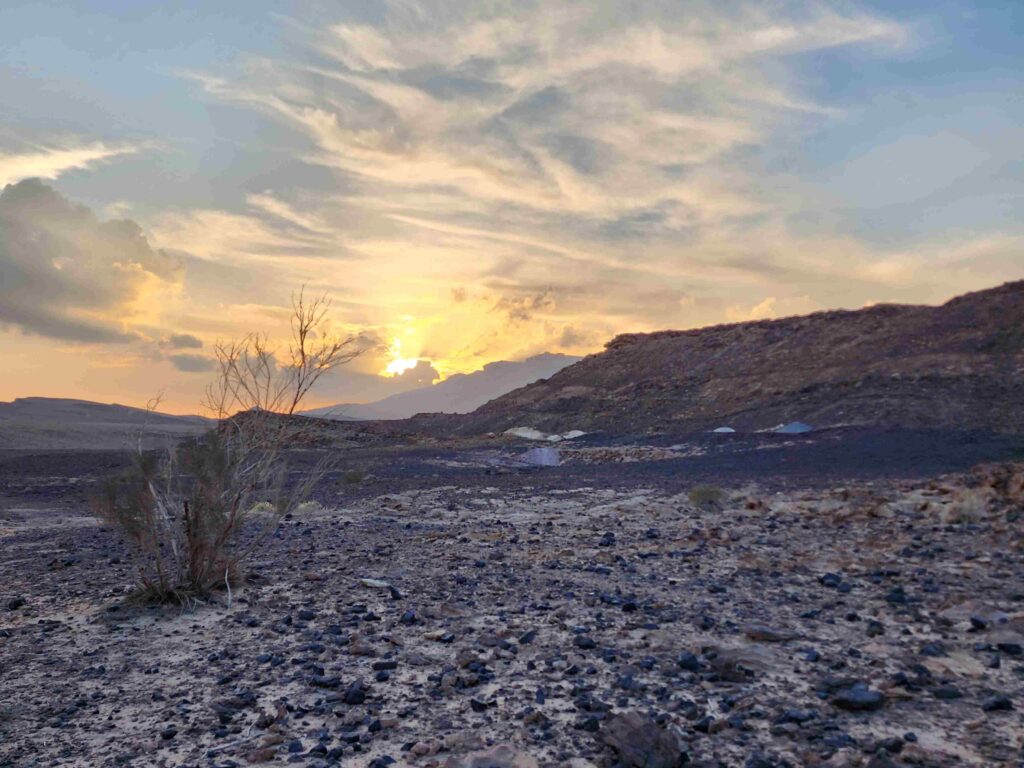
The Negev Desert: Israel’s Vast Global Wilderness
Boundaries and Geography
The northern border of the Negev fluctuates slightly each year depending on winter rainfall patterns. Broadly speaking, it extends south of the Nahal Gerar and Nahal Shikma stream beds (near the northern Negev border), stretching from the Mediterranean coastal plain across the central mountain ridge down to Israel’s southernmost tip in Eilat. (For travel purposes, we include the Arava Valley as part of the Negev ecosystem).
How the Negev Was Formed: The Global Desert Belt
The Negev is a planetary desert. It forms part of the world’s global desert belt—a continuous band of arid land stretching between latitudes 20°N and 30°N (and similarly in the Southern Hemisphere), which also includes the Sahara and Arabian Deserts.
Near the equator, intense solar heat causes warm, moist air to rise, dropping massive amounts of rainfall over tropical rainforests. By the time this air travels north toward latitude 30°N, it has lost its moisture. As dry air descends back down, it heats up and absorbs remaining humidity, preventing cloud formation and creating vast, global dry zones like the Negev.
Biblical & Historical Context
In the Bible, the Negev (meaning “dry” or “south” in Hebrew) served as the backdrop for Abraham, Isaac, and Jacob’s nomadic journeys around Beersheba. Centuries later, the ancient Nabataeans built their thriving spice trade route across this harsh landscape, carving cities into the stone. In modern times, David Ben-Gurion—Israel’s first Prime Minister—saw the Negev as the future of the nation, famously choosing to live out his final days in the heart of the desert at Sde Boker.
Must-Visit Sites & Trails in the Negev
- Makhtesh Ramon (Ramon Crater): The world’s largest natural erosion crater (“makhtesh”), offering breathtaking geological views, ibex sightings, and world-class stargazing.
- Ein Avdat: A magnificent canyon with year-round freshwater pools (Note: Swimming is strictly prohibited).
- Ben-Gurion’s Desert Home: home and resting place of David Ben-Gurion.
- Mamshit National Park: An intriguing archaeological site showcasing preserved ruins of a Nabataean Incense Route city.
- The Great & Little Fin (Makhtesh Yeruham): Dramatic, tilted rock fins providing exciting ridge hikes and sweeping desert views.
- Nahal Tamar & Nahal Tzafit: Adventurous slot canyon hikes equipped with steel ladders and rungs built directly into vertical canyon walls.
- Nahal Karakesh: A scenic, lesser-known desert trail featuring unique dark rock formations and peaceful canyon solitude.
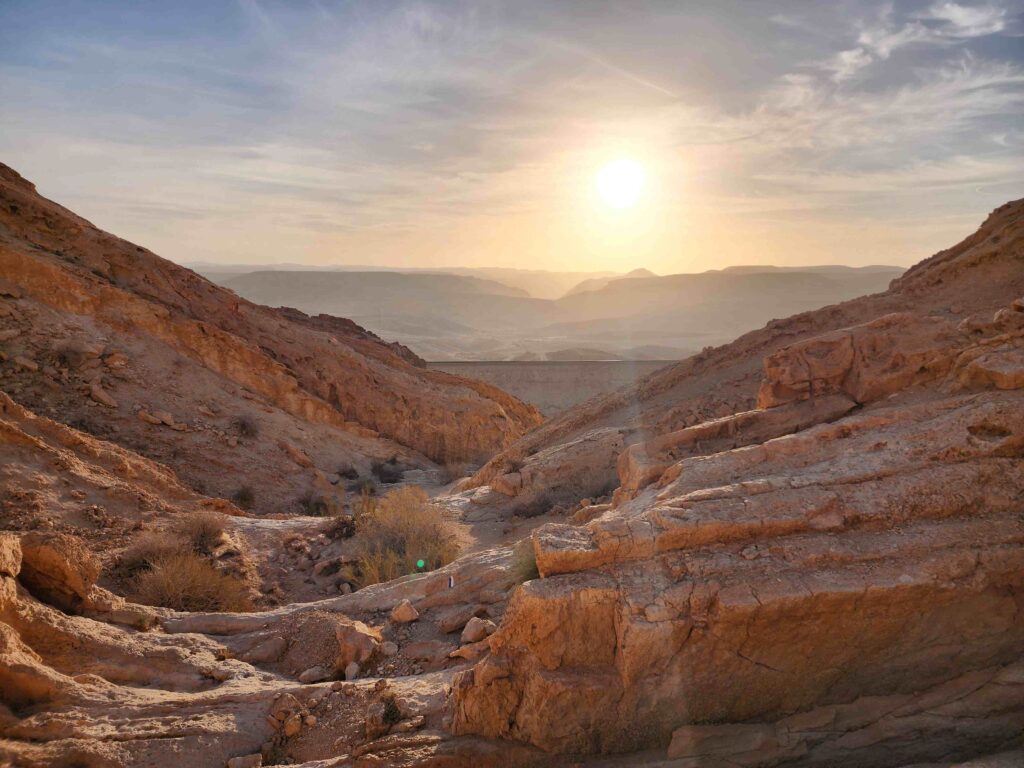
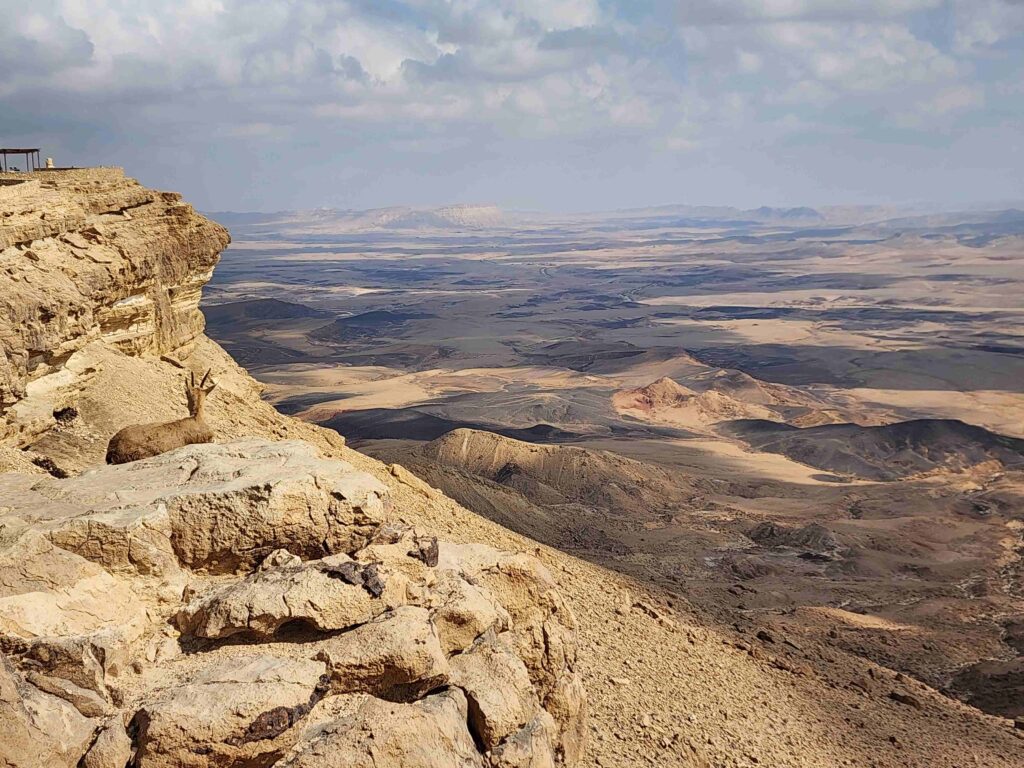
The Judean Desert: The Local Rain Shadow Oasis
Boundaries and Geography
Unlike the vast Negev, the Judean Desert is a compact, local desert located exclusively on the eastern flank of Israel, squeezed between the Judean Mountains (near Jerusalem) to the west and the Dead Sea to the east. It stretches from Nahal Og in the north down to Nahal Peres in the south (where it meets the northern Negev).
How the Judean Desert Was Formed: The Rain Shadow Effect
The Judean Desert is not part of the global desert belt. Instead, it is a rain shadow desert created entirely by local topography:
- Rain clouds form over the Mediterranean Sea and travel eastward toward land.
- As the clouds rise over the Judean Mountains (around Jerusalem), the air cools, causing the clouds to release almost all their rain on the western slopes.
- Once the clouds cross the mountain crest and drop down the eastern steep cliffs (the Judean Escarpment) toward the Dead Sea rift valley, the descending air warms up rapidly.
- The warm air holds onto whatever residual moisture remains without dropping rain.
- The clouds then move across the Dead Sea, collect fresh water vapor, and drop rain again as they climb the high Moab Mountains in Jordan.
Because this narrow strip between the eastern mountain slopes and the Dead Sea receives less than 200mm of rain annually, it remains a dry, sun-baked wilderness right next to Jerusalem!
Biblical & Historical Context
Because of its proximity to Jerusalem and its hidden caves, the Judean Desert (“the Wilderness of Judea”) has historically served as a place of refuge, spirituality, and sanctuary. King David fled here from King Saul, hiding in the caves of Ein Gedi. John the Baptist preached in its dry riverbeds, and Jesus spent 40 days fasting in its quiet hills. It is also where the Jewish Essene sect hid the famous Dead Sea Scrolls in the caves of Qumran, and where King Herod constructed his mountain fortress of Masada.
Must-Visit Sites & Trails in the Judean Desert
- Masada National Park: The iconic tabletop mountain fortress built by King Herod, famous for the heroic stand of Jewish rebels against the Roman Empire.
- Ein Gedi Nature Reserve (Nahal David & Nahal Arugot): A lush desert oasis mentioned in the Song of Solomon, featuring year-round waterfalls, wild ibex, and rock hyraxes.
- The Dead Sea & Nahal Bokek: Float effortlessly in the lowest place on Earth, followed by a refreshing hike in the clear stream of Nahal Bokek canyon.
- Einot Tzukim (Ein Feshkha): The lowest nature reserve in the world, featuring natural freshwater springs right alongside the Dead Sea shore.
- Nahal Og: A thrilling, fast-paced hike through a narrow limestone canyon with ladders and rock scrambles.
- Nahal Salvadora & The Fish Trail: Excellent trails offering quiet solitude, ancient trees, and stunning panoramic views of the Dead Sea basin.
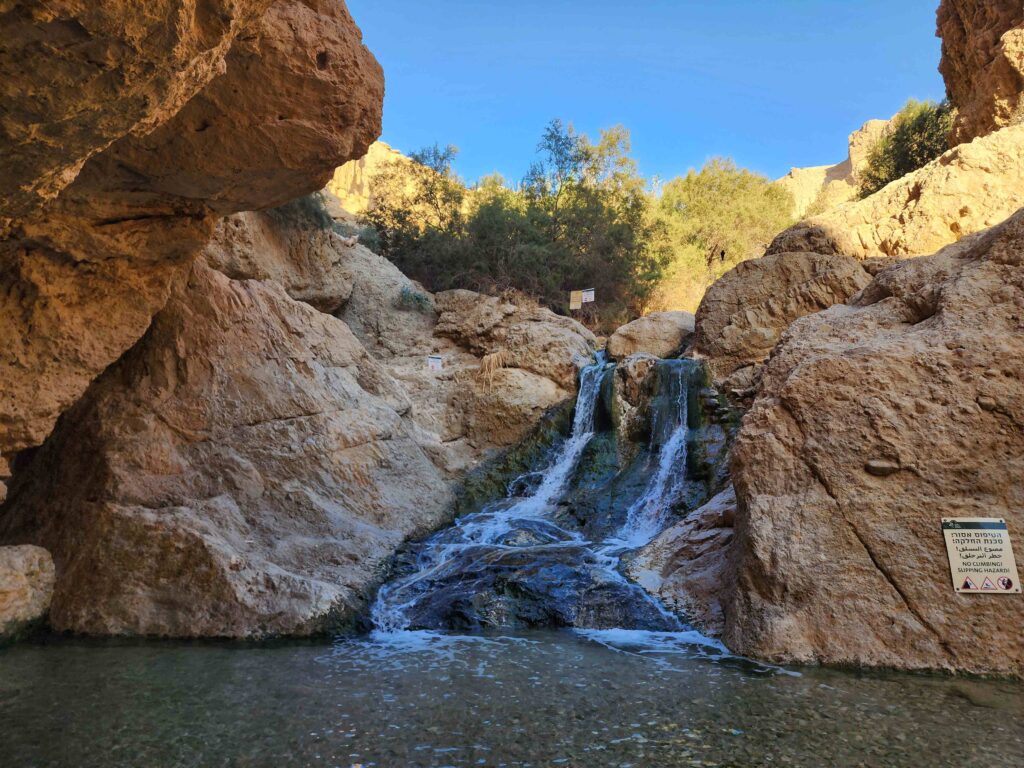
At a Glance: Negev vs. Judean Desert
Feature |
The Negev Desert |
The Judean Desert |
Desert Type |
Global Planetary Desert Belt (20°-30°N) |
Local Rain Shadow Desert |
Primary Landscape |
Massive craters, wide plateaus, ancient trade routes |
Deep drop-offs, dramatic cliffs, slot canyons, Dead Sea views |
Key Biblical Theme |
Patriarchal journeys (Abraham & Isaac), wandering in the wilderness |
Sanctuary, hiding from enemies, spiritual purification, refuge |
Top Landmark |
Makhtesh Ramon (Ramon Crater) |
Masada & Ein Gedi |
Pro-Guide Tips for Touring Israel’s Deserts
As a licensed Israeli tour guide, here are three essential rules I share with all my guests before heading into the desert:
- Watch the Weather for Flash Floods: During winter and spring, rain in Jerusalem or the central mountains can turn dry Judean riverbeds into sudden, powerful flash floods. Always check weather forecasts and official park alerts before entering any canyon.
- Timing is Everything: Desert temperatures climb quickly. Plan early morning starts for outdoor hikes, especially between May and October, leaving the middle of the day for shaded springs like Ein Gedi or indoor visitors’ centers.
- Hydration is Key: The dry desert air absorbs sweat quickly, often making you feel cooler than it actually is. Always carry at least of water per person on any desert hike