
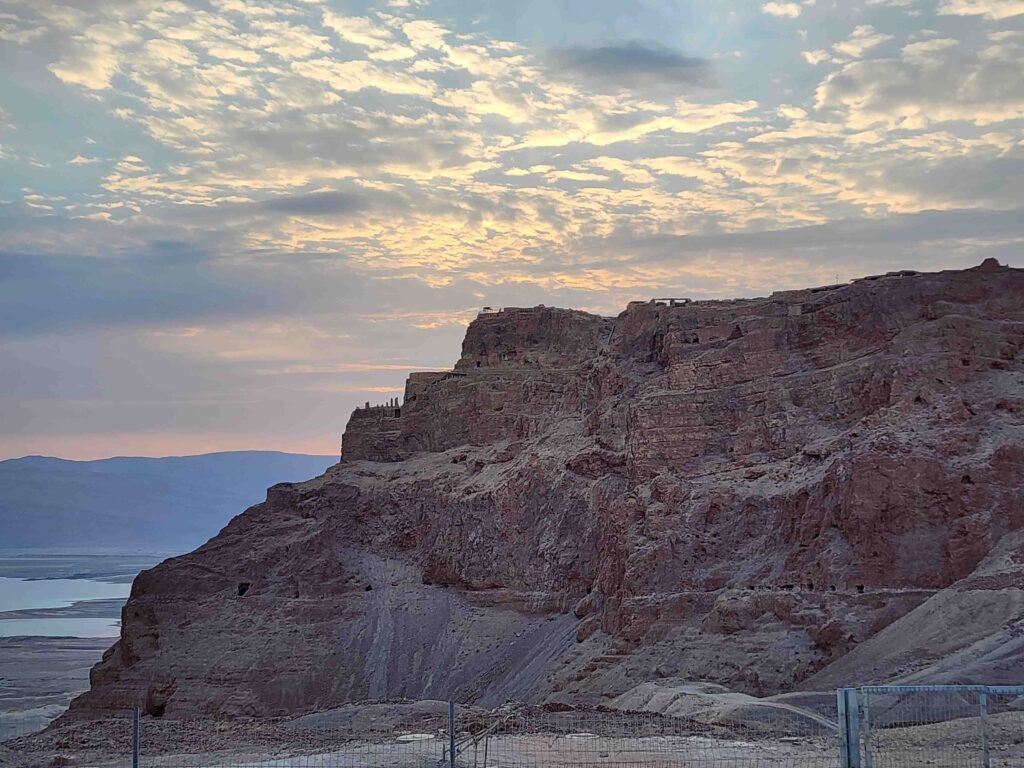
Masada & the Roman Siege: Journey into the Great Desert Drama
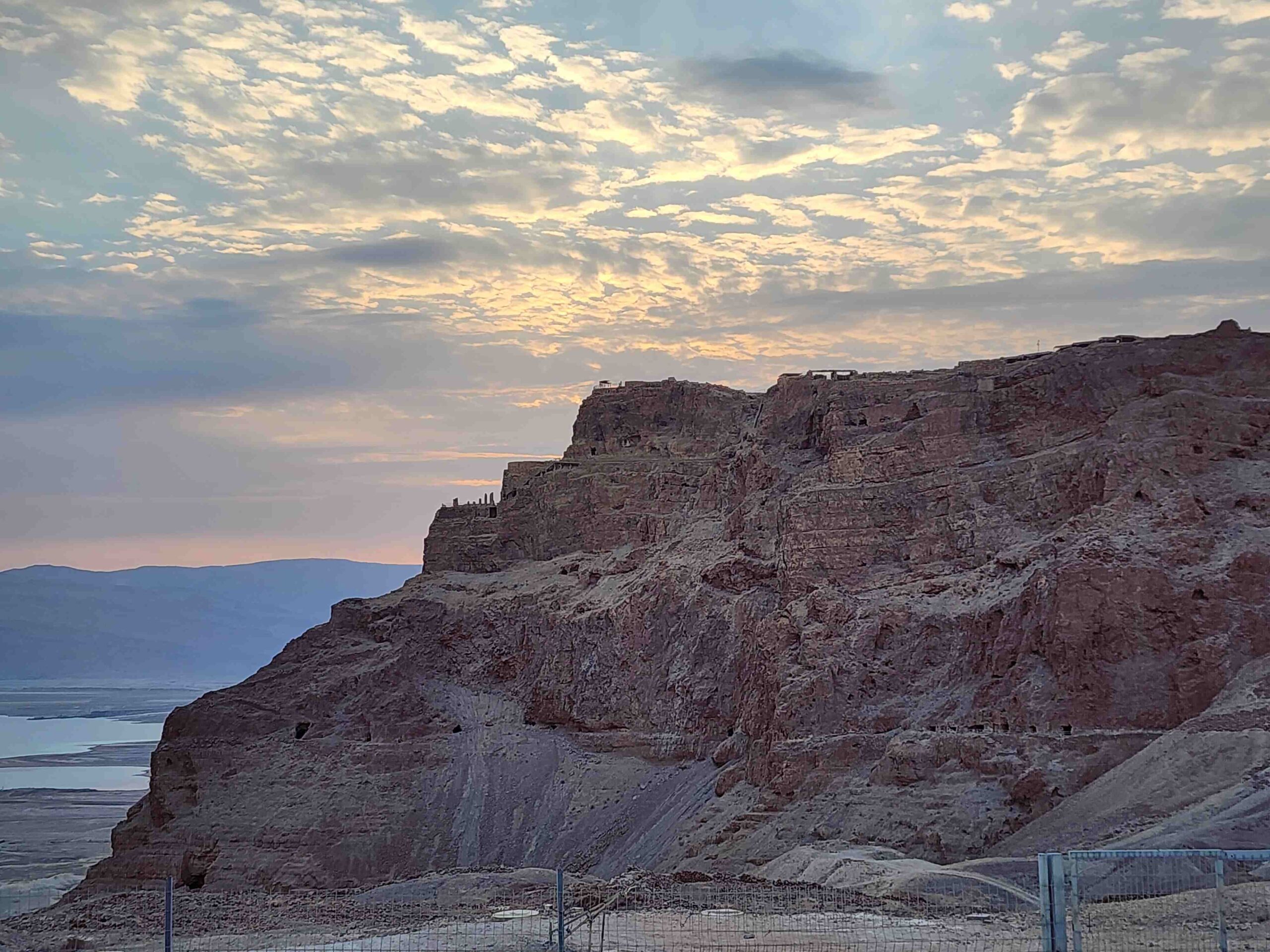
Masada is far more than an ancient ruin standing atop an isolated cliff in the Judean Desert – it is a living stage of human courage, royal grandeur, and heartbreaking tragedy frozen in time. Rising dramatically above the Dead Sea, this UNESCO World Heritage Site tells two contrasting stories: the opulent refuge of King Herod the Great and the final, desperate stand of Jewish rebels against the mighty Roman Empire.
As a licensed Israeli tour guide, I have crafted this guide to help you choose the best route for your journey. While you can walk the site on your own, standing among 2,000-year-old stones with an experienced guide transforms silent ruins into an unforgettable narrative.
Critical First Step: East Side vs. West Side Entrance
Before planning your drive, you must understand Masada’s geography. The mountain has two separate entrances with no direct road connecting them across the mountain. Driving from one entrance to the other takes approximately 1 hour and 15 minutes (70 km / 43 miles).
The East Side (Dead Sea Entrance)
- Access: Via Highway 90 along the Dead Sea coast.
- Facilities: Main Visitor Center, Masada Museum, cable car, visitor amenities, and the trailhead for the famous Snake Path.
- Best For: Most first-time visitors, day-trippers from Jerusalem or Tel Aviv, and those using public transportation or private tour buses.
The West Side (Arad Entrance)
- Access: Via the town of Arad along Road 3199.
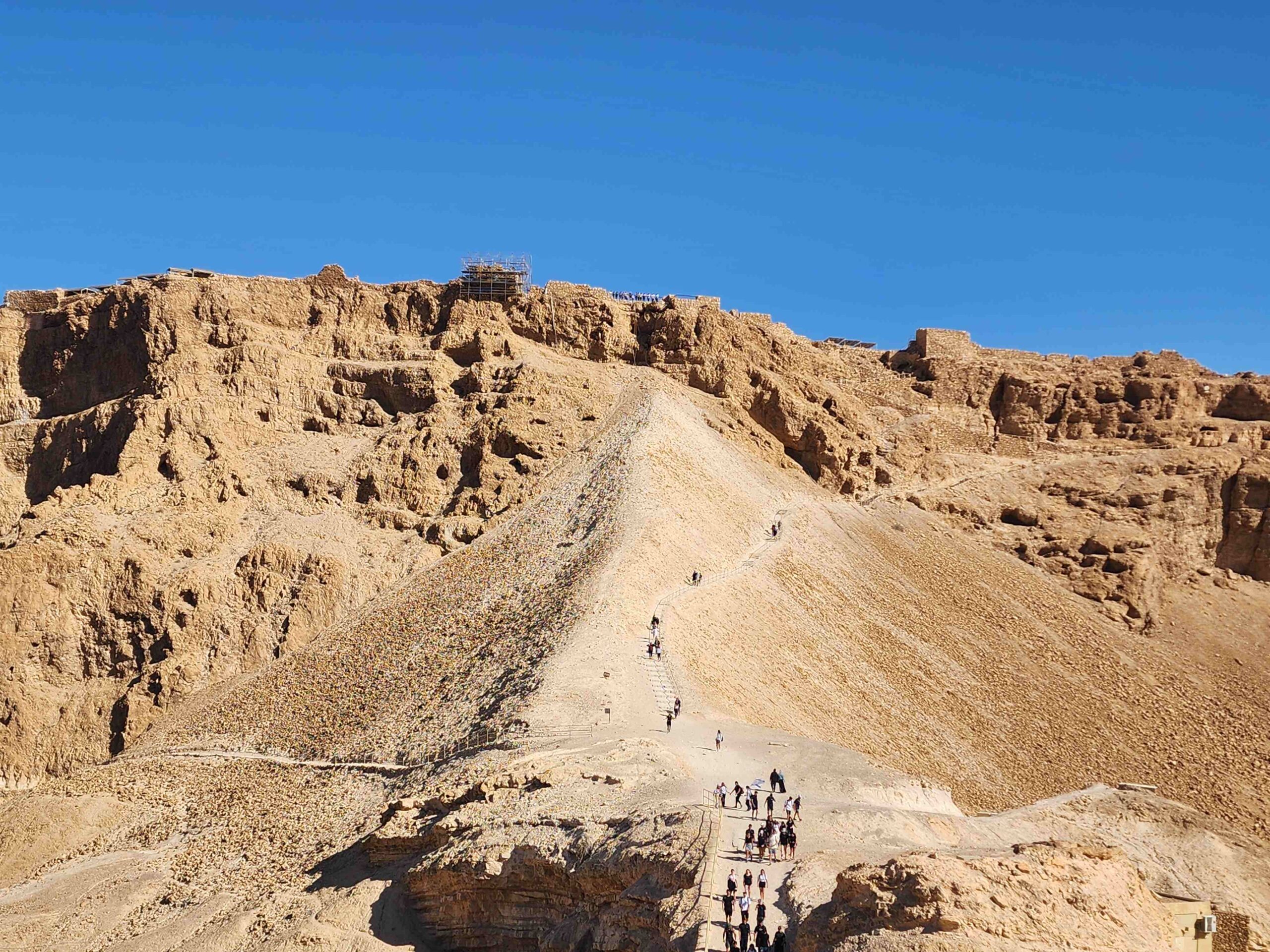
- Facilities: The historical Roman Ramp pathway, the Israel Nature and Parks Authority (INPA) campsite, and the evening Sound & Light show.
- Best For: Travelers seeking a shorter, gentler walking ascent, sunrise visitors staying at the campsite, and private vehicles coming from the Negev region.
3 Tailored Masada Itineraries: From Classic to Adventurous
Depending on your group’s fitness level, interest, and vehicle arrangements, we can customize your Masada experience using one of these three primary routes:
1. The Cross-Mountain Linear Route (The Two-Sides Experience)
- The Route: Ascend the mountain from the West via the historic Roman Ramp, explore the summit’s northern palace and storerooms, and descend to the Dead Sea on the East side via the cable car or the Snake Path (or vice versa).
- Distance & Effort: Moderate; minimizes steep climbing while covering the entire plateau.
- Best Suited For: Travelers seeking maximum historical exposure with balanced physical effort. (Note: Requires dual-driver coordination or bus drop-off/pick-up logistics).
2. The Historical Circular Route (In the Footsteps of the 10th Legion)
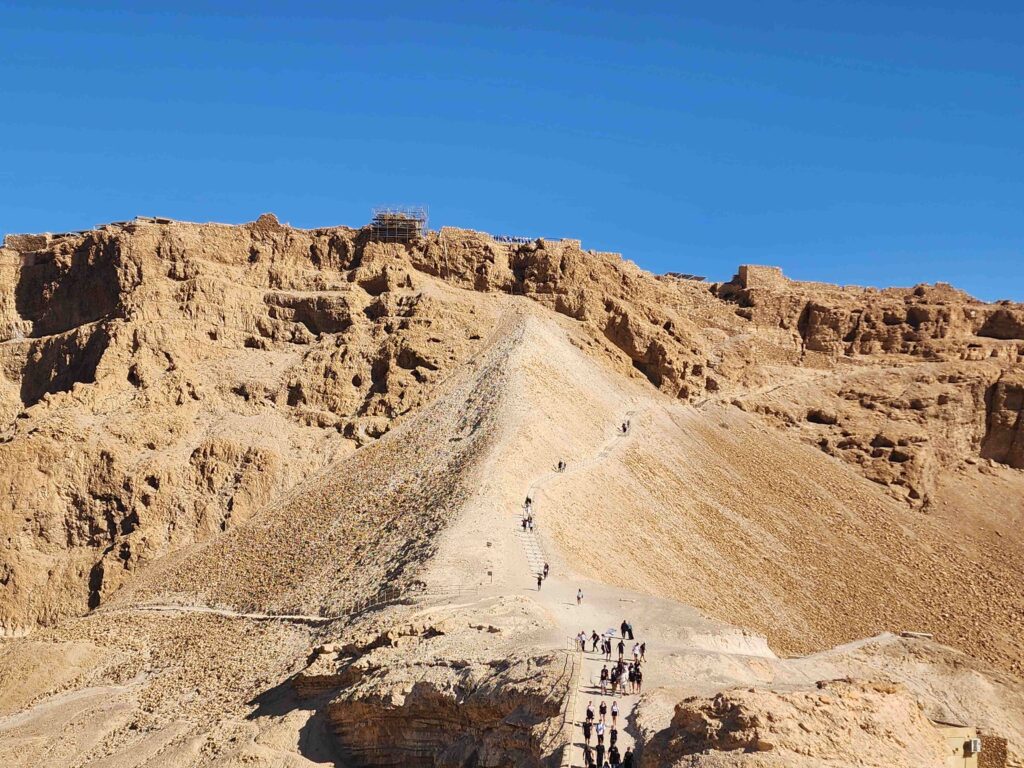
- The Route: Start at the East entrance and follow Schvil HaRatz (The Runner’s Path)—the ancient track used by Roman messengers. Walk from the eastern garrison camps up to the western Roman attack ramp, ascend to the summit, and descend via cable car or the Snake Path.
- Distance & Duration: 4–5 hours; moderate to active hiking.
- Best Suited For: History enthusiasts and active hikers (recommended for ages 8 and up).
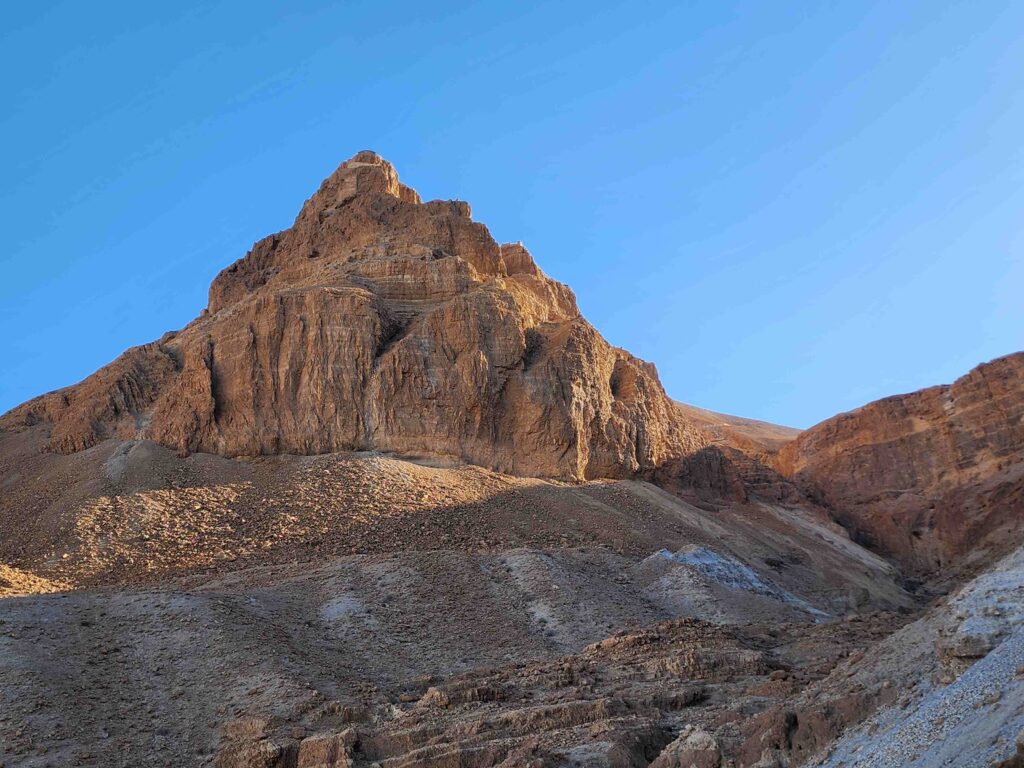
3. The Challenging Route (Ma'ale El'azar Desert Lookout)
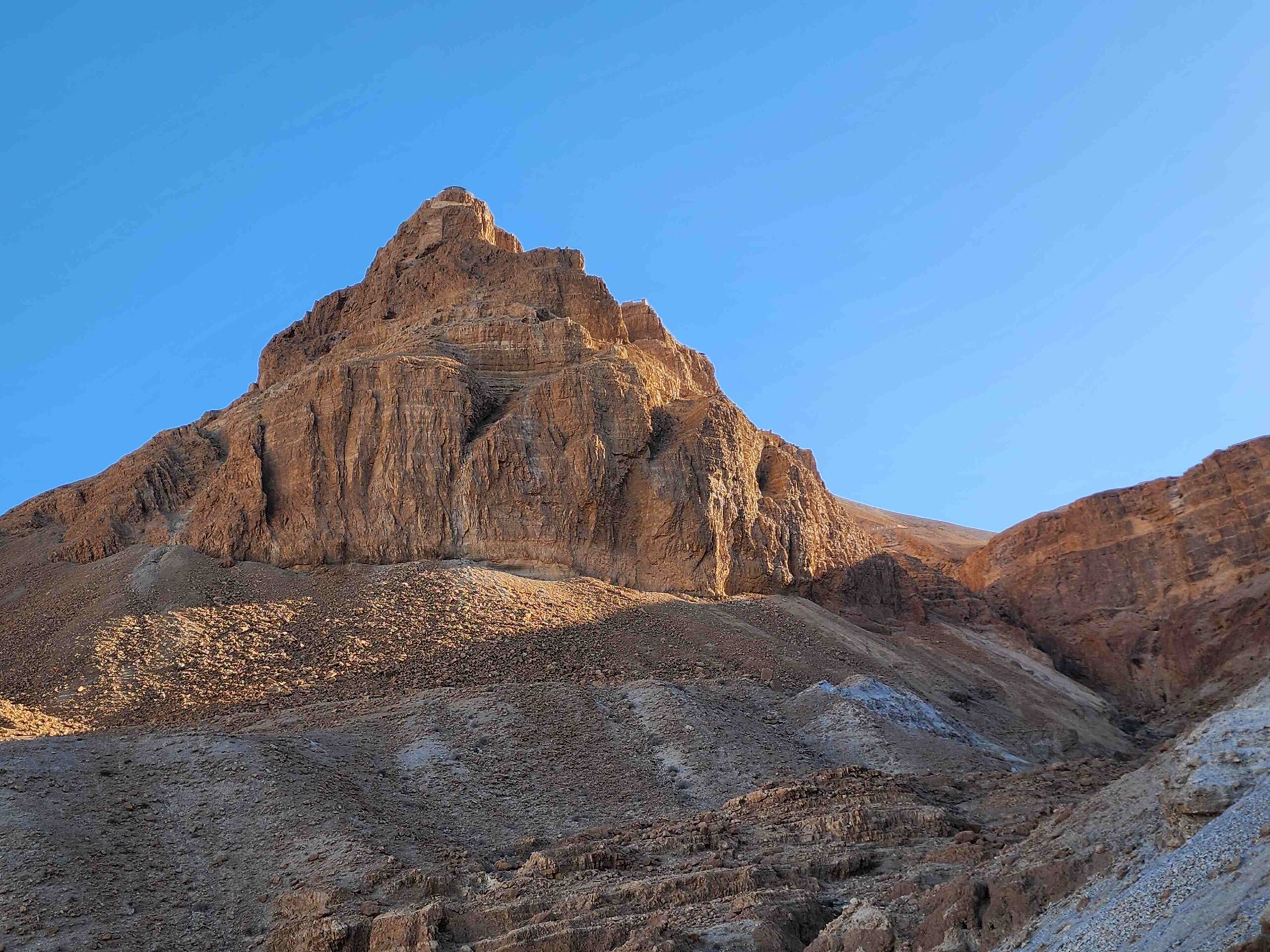
- The Route: A demanding trek starting with a steep ascent up Ma’ale El’azar (Mount Eleazar) for a panoramic view overlooking Masada from the south. Descend to the West entrance, ascend Masada via the Roman Ramp, explore the fortress, and descend to the East side.
- Distance & Duration: 5–6 hours; strenuous desert hiking.
- Best Suited For: Experienced hikers seeking an off-the-beaten-path desert adventure (recommended for ages 10 and up).
Optional Thrill: The Masada Challenge (Via Ferrata)
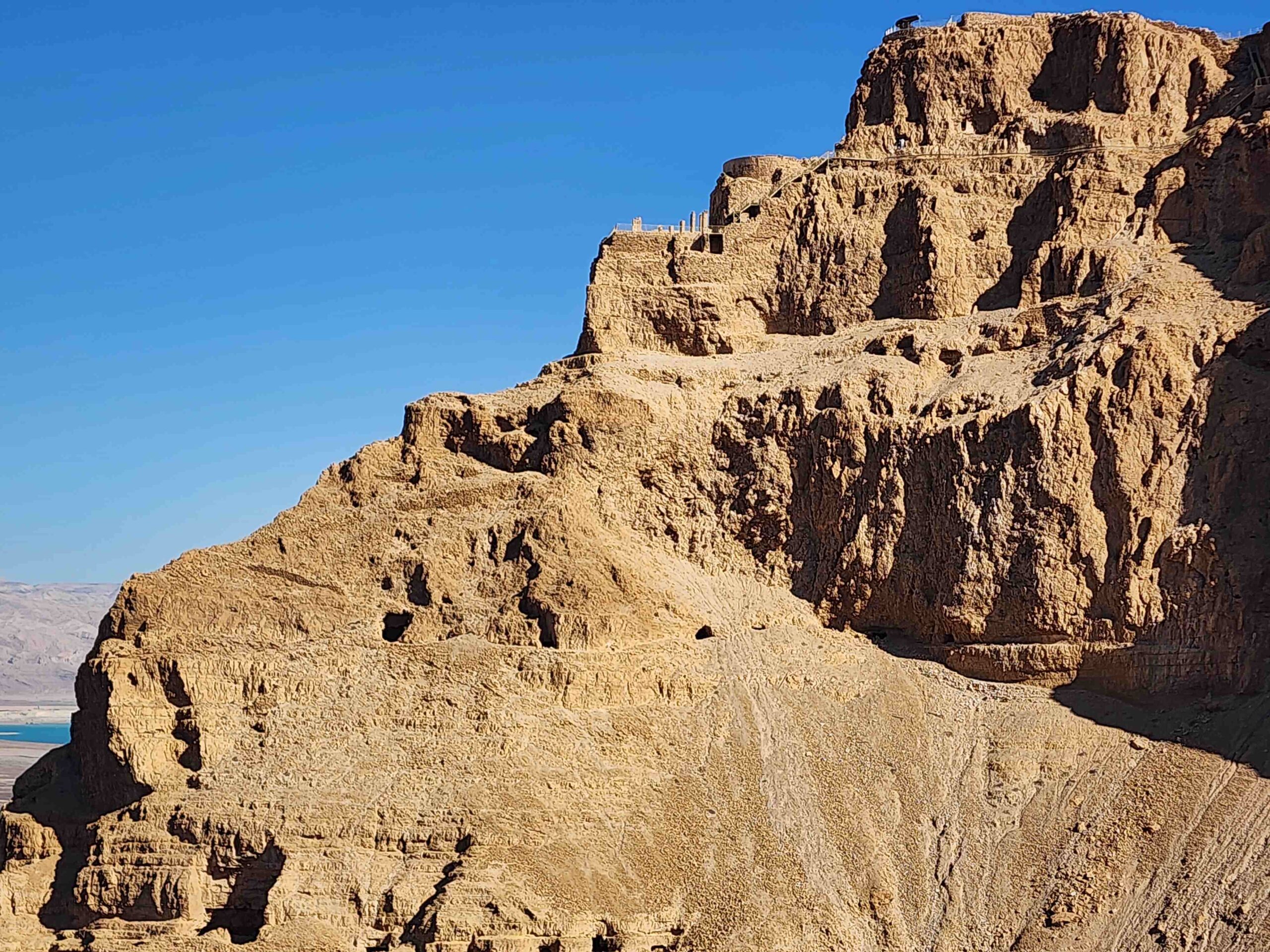
For travelers wanting extra adrenaline, we can integrate the Masada Challenge into your itinerary. Located on the mountain’s steep southern cliffs, this secured climbing route (Via Ferrata) allows you to traverse cliff faces using steel cables, rungs, and ladders. The route passes near remote natural caves where archaeologists discovered artifacts from the Great Jewish Revolt against Rome.
Requirements: Advance booking, special permit/fee, and certified equipment (safety harness and helmet).
Why Explore Masada with a Licensed Israeli Tour Guide?
Walking through Masada on your own offers magnificent views, but without historical context, much of the site’s rich meaning remains hidden under the desert sun.
When we explore Masada together, you gain:
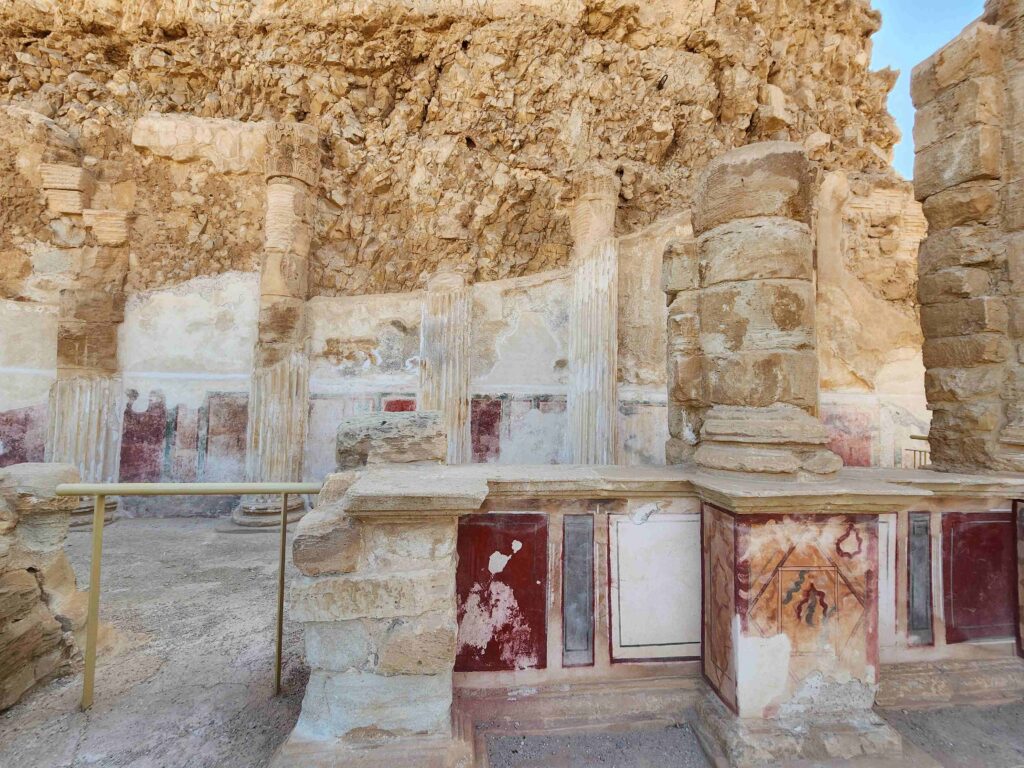
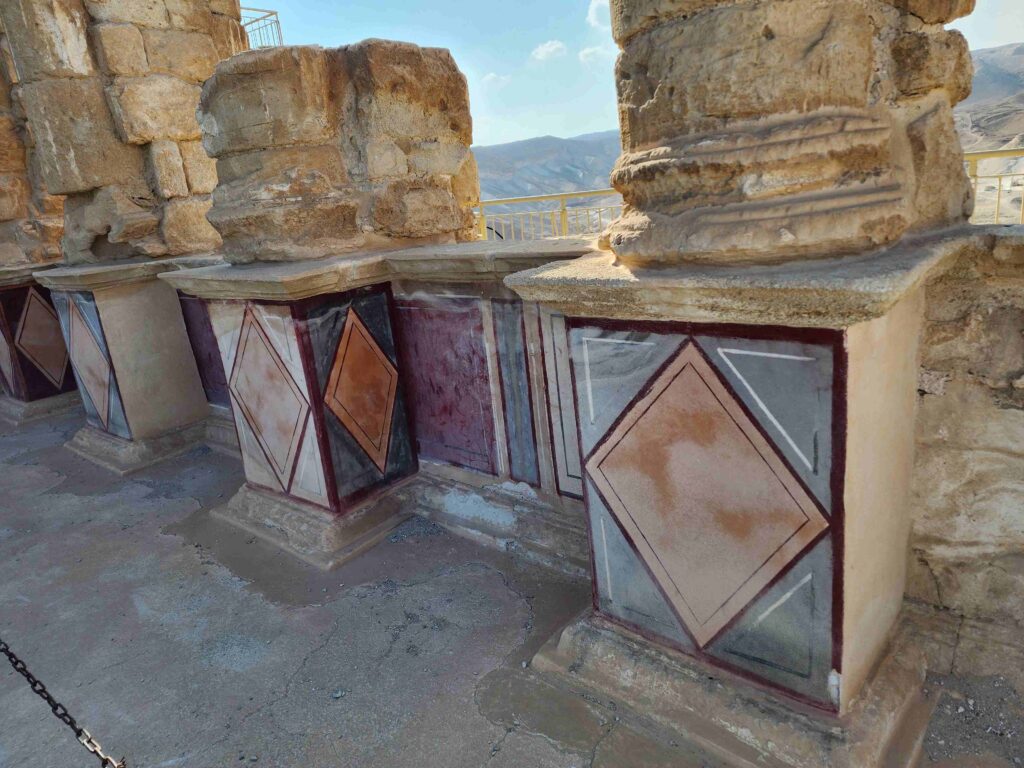
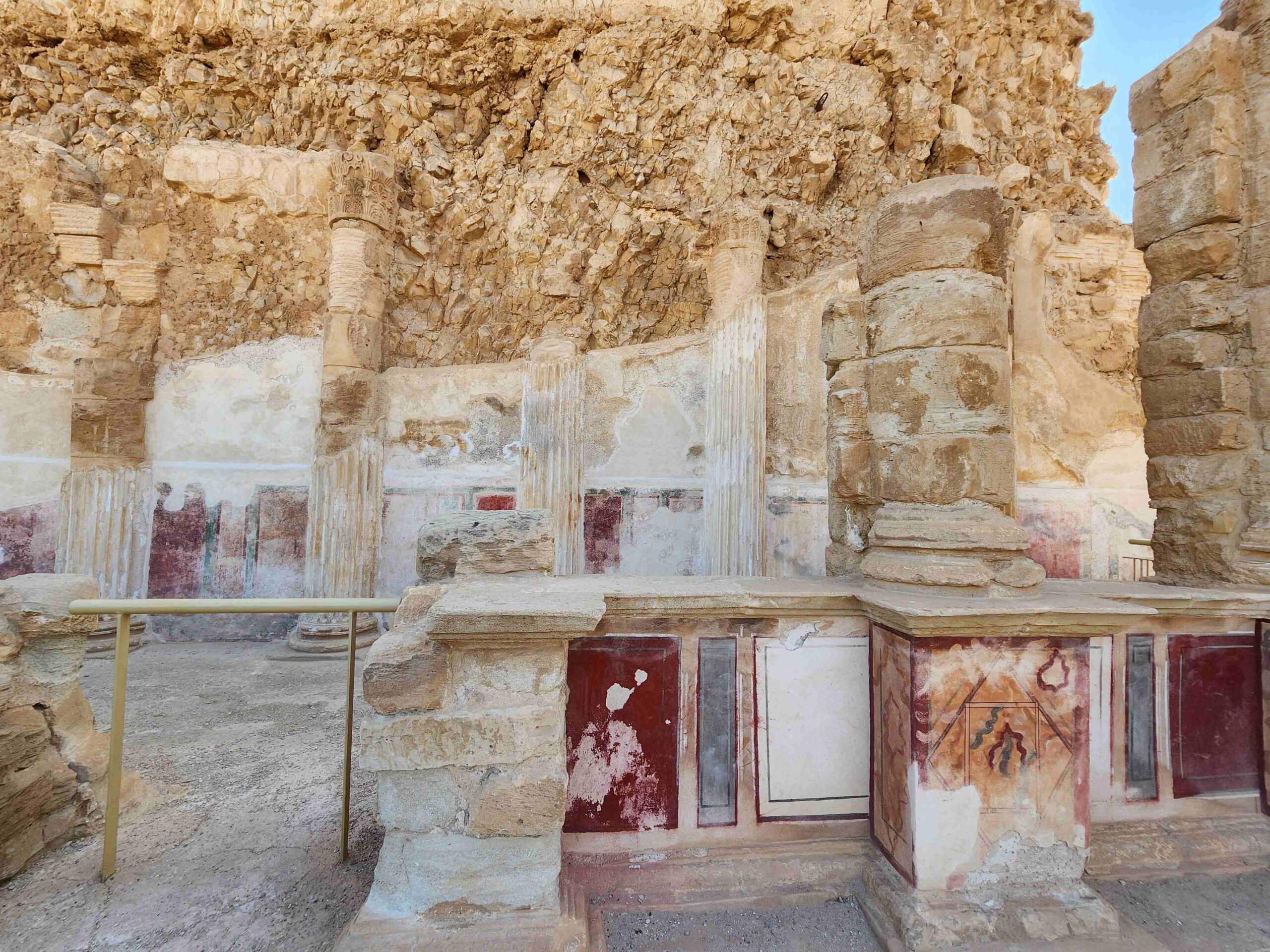
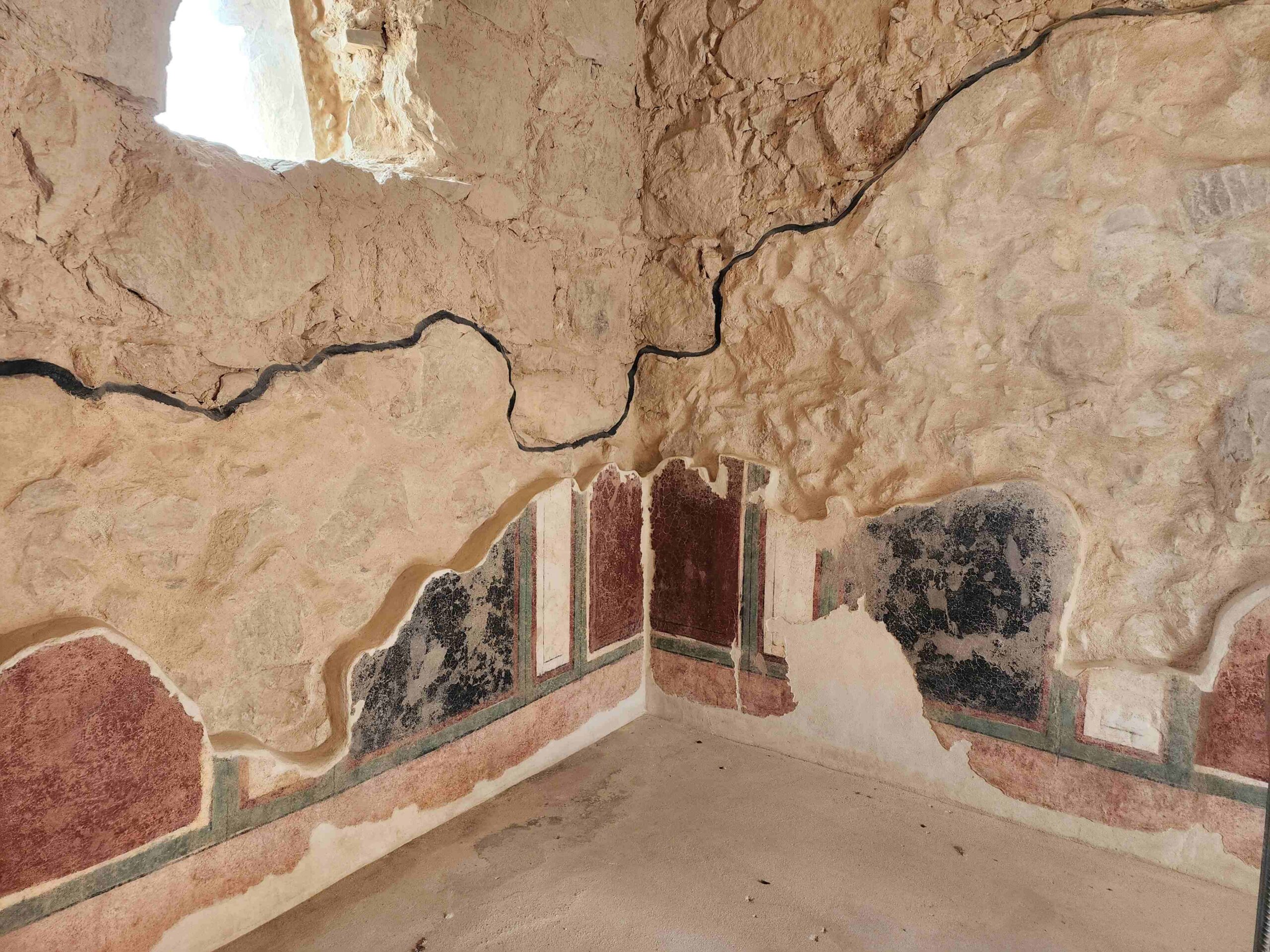
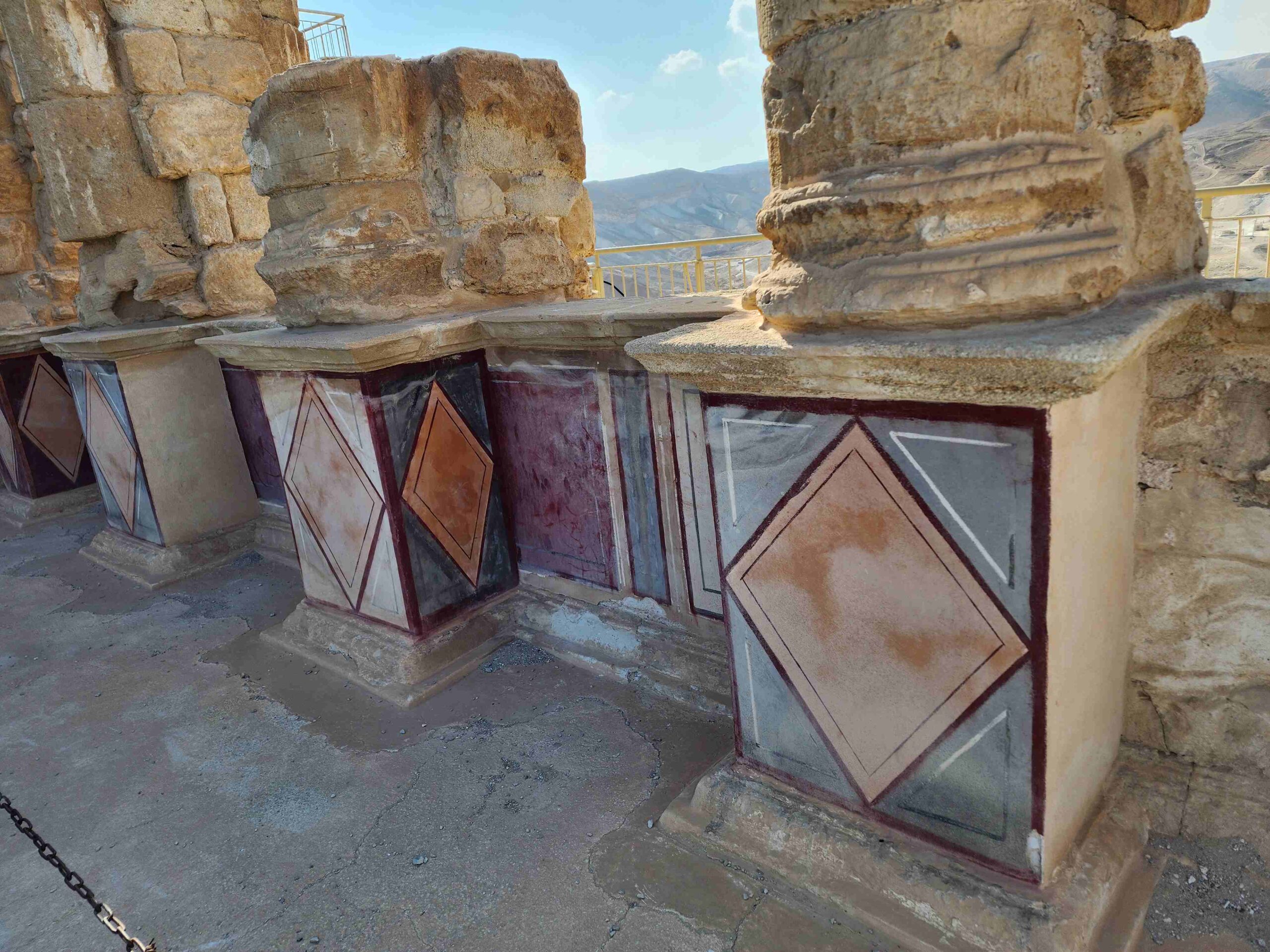
A Living Historical Narrative: We move beyond stones and ancient mortar to bring King Herod’s architectural genius to life—from floating terraces to advanced desert water cisterns. We then contrast this grandeur with the poignant story of the Jewish rebels (Sicarii) making their final stand for freedom in 73–74 CE.
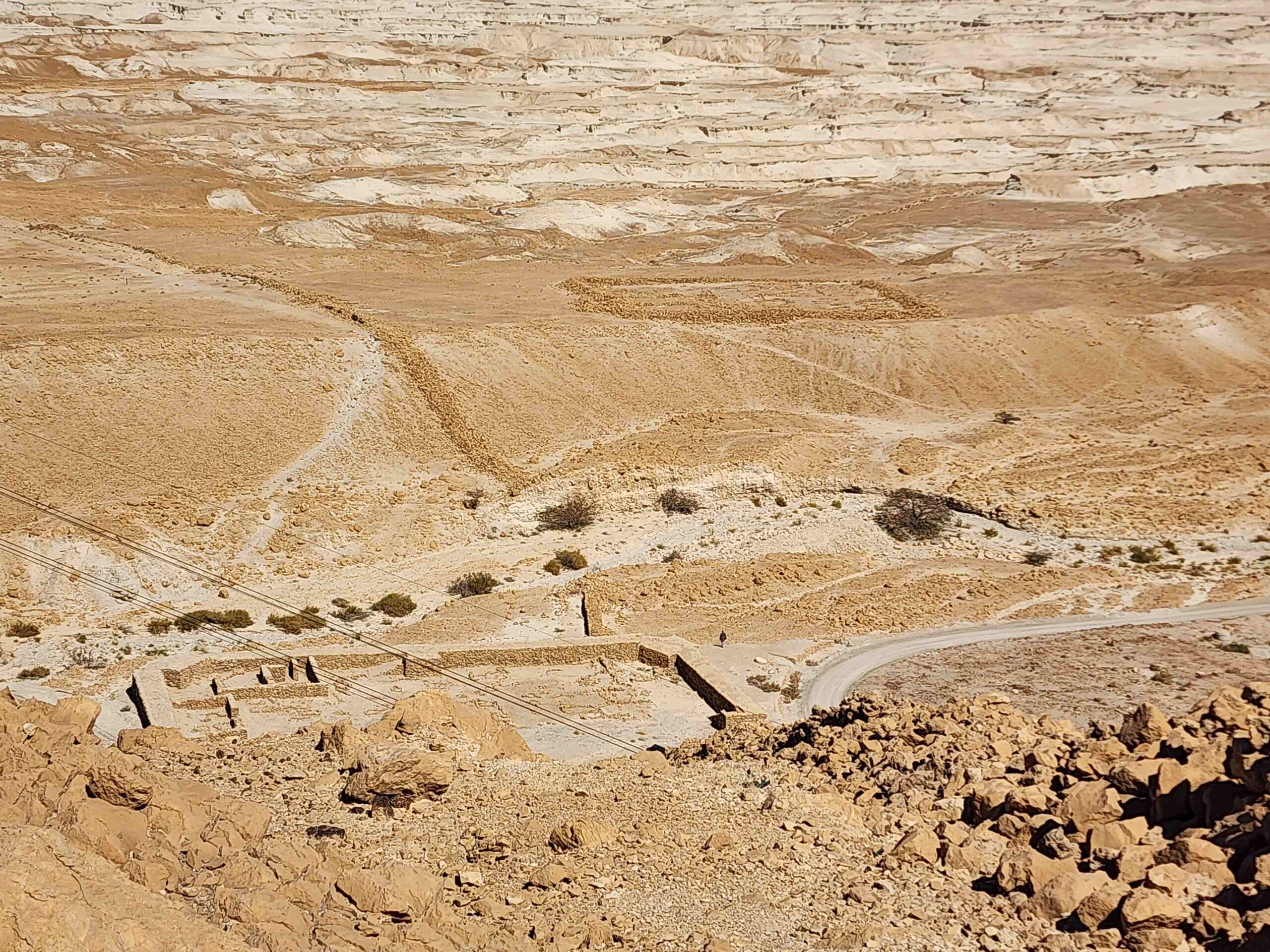
Tactical Military Insights: Stand on the cliffs to analyze one of the ancient world’s most famous siege battlefields. We will map out the locations of the 10th Roman Legion’s eight camps, inspect the siege wall (circumvallation), and see exactly where Roman battering rams breached the fortress.
Seamless Logistics: Navigating Masada’s separate entrances, cable car schedules, reservation slots, and desert weather precautions can be overwhelming. I manage all route planning and logistics around your transport (private car or tour bus) so you can focus entirely on the experience.
Trip Overview
Duration:
3 hours (classic summit tour) to full-day desert treks
Suitable For:
Families, history lovers, active hikers, and pilgrimage groups
Activity Level:
Moderate to High
Highlights:
Ancient Archaeology, advetures hiking, and panoramic vistas
Frequently Asked Questions (FAQ)
Is it better to take the cable car or hike the Snake Path?
The cable car takes under 5 minutes and is fully accessible, making it ideal for families, seniors, or hot summer days. The Snake Path takes 45–90 minutes of uphill walking and offers an incredible workout and rewarding sunrise views, but requires good physical condition and early morning starts in warm weather.
Is there an entry fee or registration required?
Yes. Masada is a national park managed by the Israel Nature and Parks Authority (INPA). There is an entry fee for the park, and separate tickets are required if you choose to ride the cable car, join the Masada Challenge (Via Ferrata), or attend the evening Sound & Light show.
Important: Advance registration on the official INPA website is mandatory.
Can I visit Masada and the Dead Sea on the same day?
Yes! Masada’s East Entrance sits right along the Dead Sea coast (Highway 90). A very common day itinerary includes a morning tour of Masada followed by a relaxing float at a Dead Sea beach or spa, and a visit to the nearby Ein Gedi Nature Reserve.
How hot does it get at Masada?
Summer temperatures in the Judean Desert routinely exceed 40C (104F)) and can peak as high as 47C (117F) during extreme heatwaves. Midday hiking trails are often closed by park rangers during heavy heat. Always bring at least 3 liters of water per person, a wide-brimmed hat, sunscreen, and proper walking shoes.
How difficult is the climb up Masada?
Cable Car (East Side): Accessible to all fitness levels and wheelchair accessible.
Roman Ramp (West Side): A gentle 15 to 20-minute walk up a wide path.
Snake Path (East Side): A continuous, steep 45 to 60-minute stair climb suitable for active walkers.
Customizing Your Experience
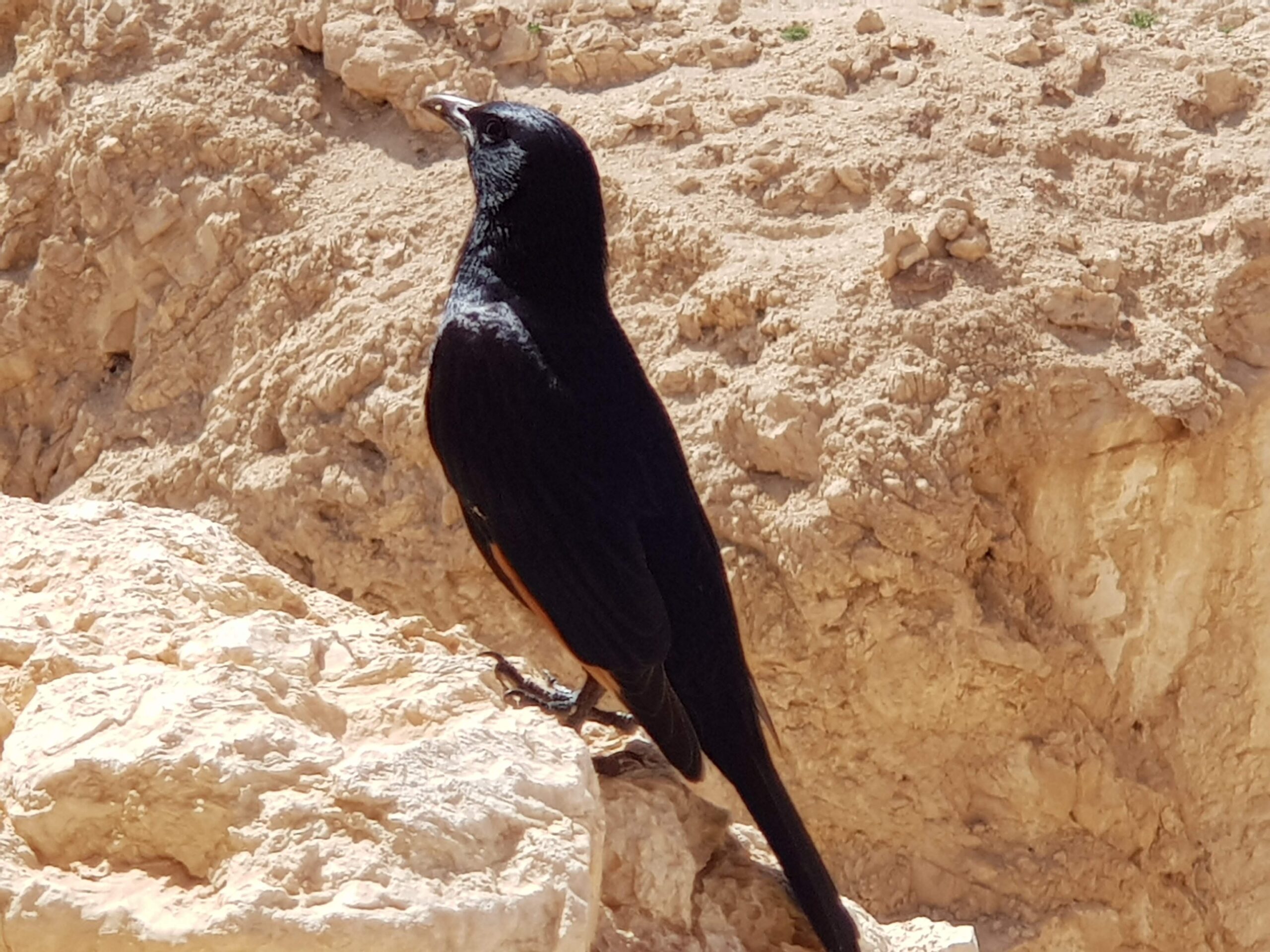
The desert offers endless possibilities. This itinerary serves as a starting point and can be adjusted based on your physical preference, specific interests (such as botany, birdwatching, or archaeology), or the time of year. Ready to plan your desert day? I invite you to reach out so we can discuss your preferences and create a tailor-made experience that fits your pace and style.
It's time to go on a trip
Leave your details and we will contact you