
Ancient Trails & Geological Wonders: Exploring the Negev Highlands
This one-day itinerary offers a journey through the heart of Israel’s desert, far from the classic tourist routes. We
will explore the intersection of human ingenuity and raw nature, visiting one of the most impressive Nabatean
cities on the Incense Route and diving into the unique geology of the Ramon Makhtesh (Crater).
Stop 1: Avdat National Park – The Nabatean Stronghold
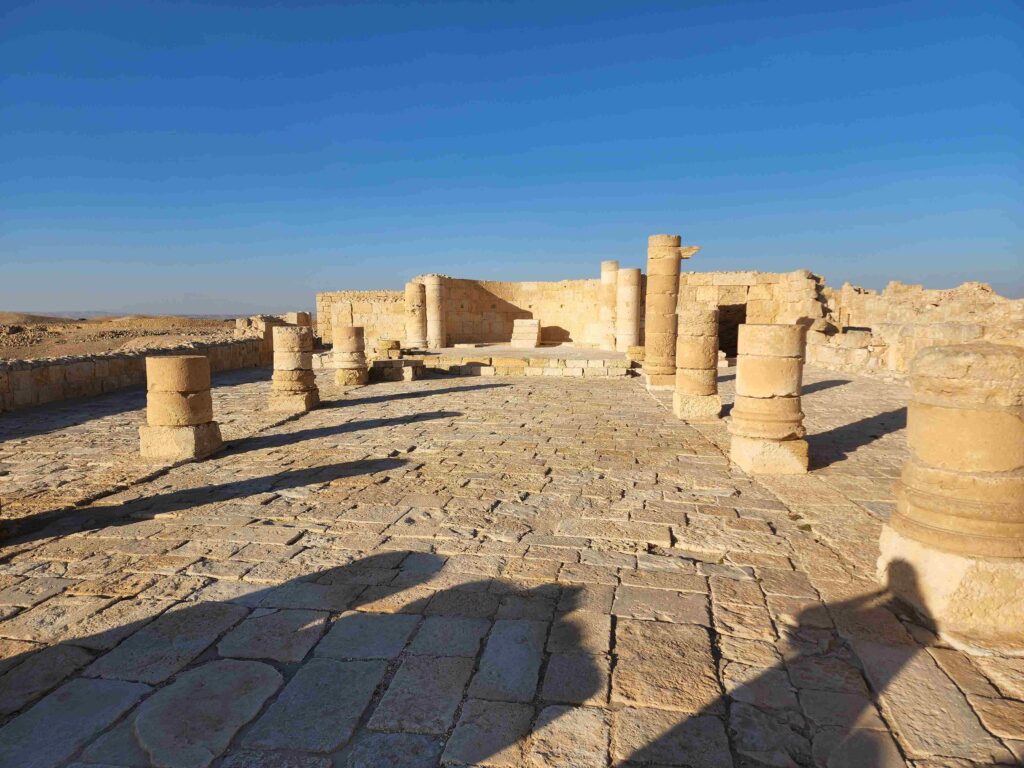
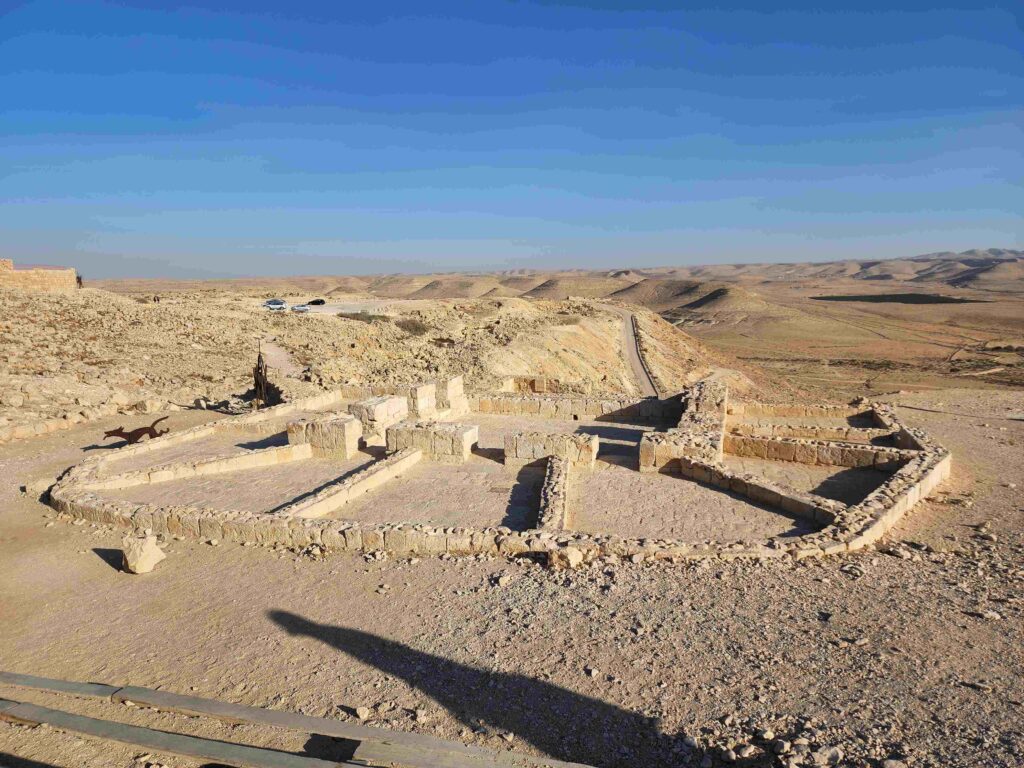
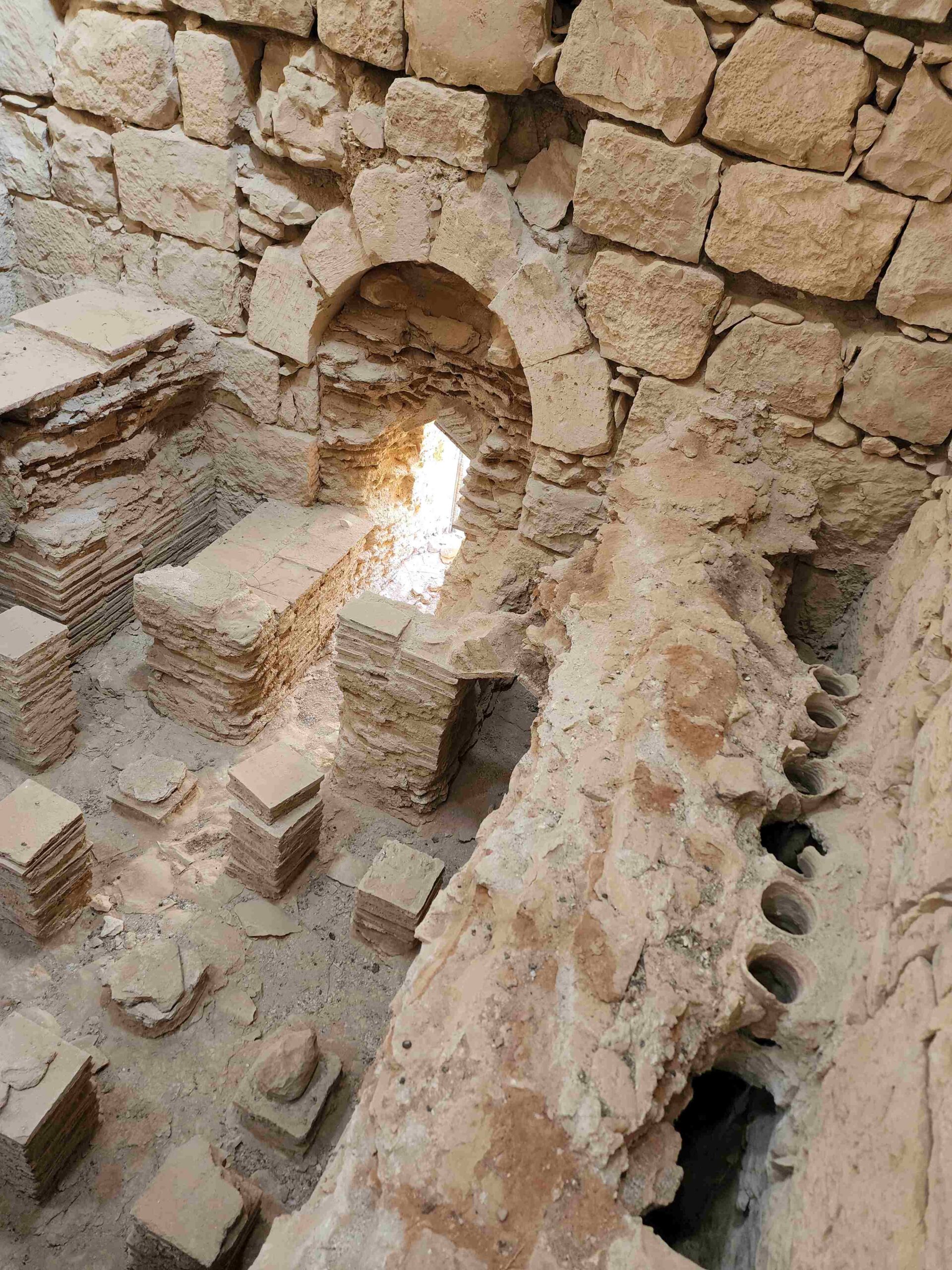
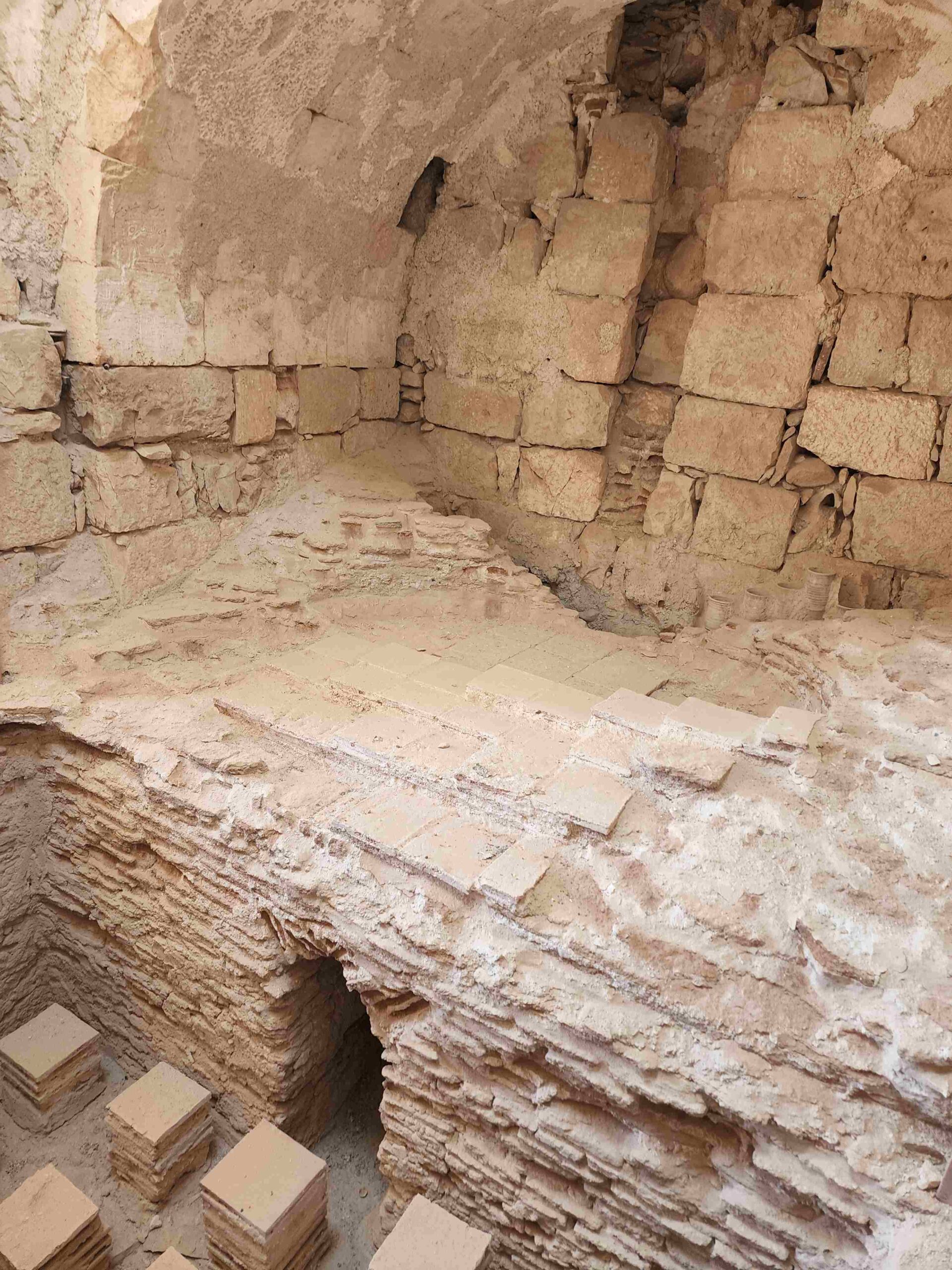
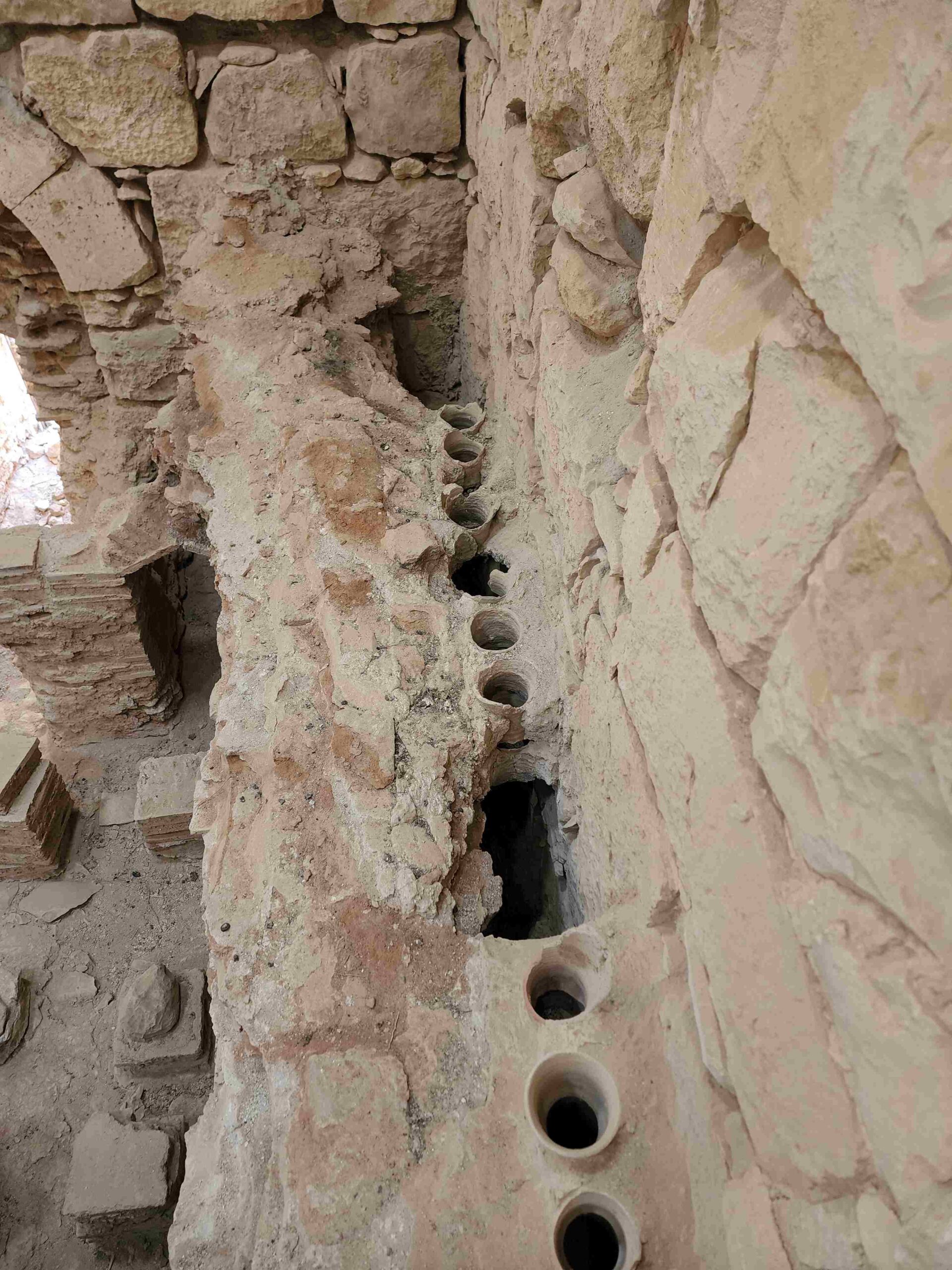
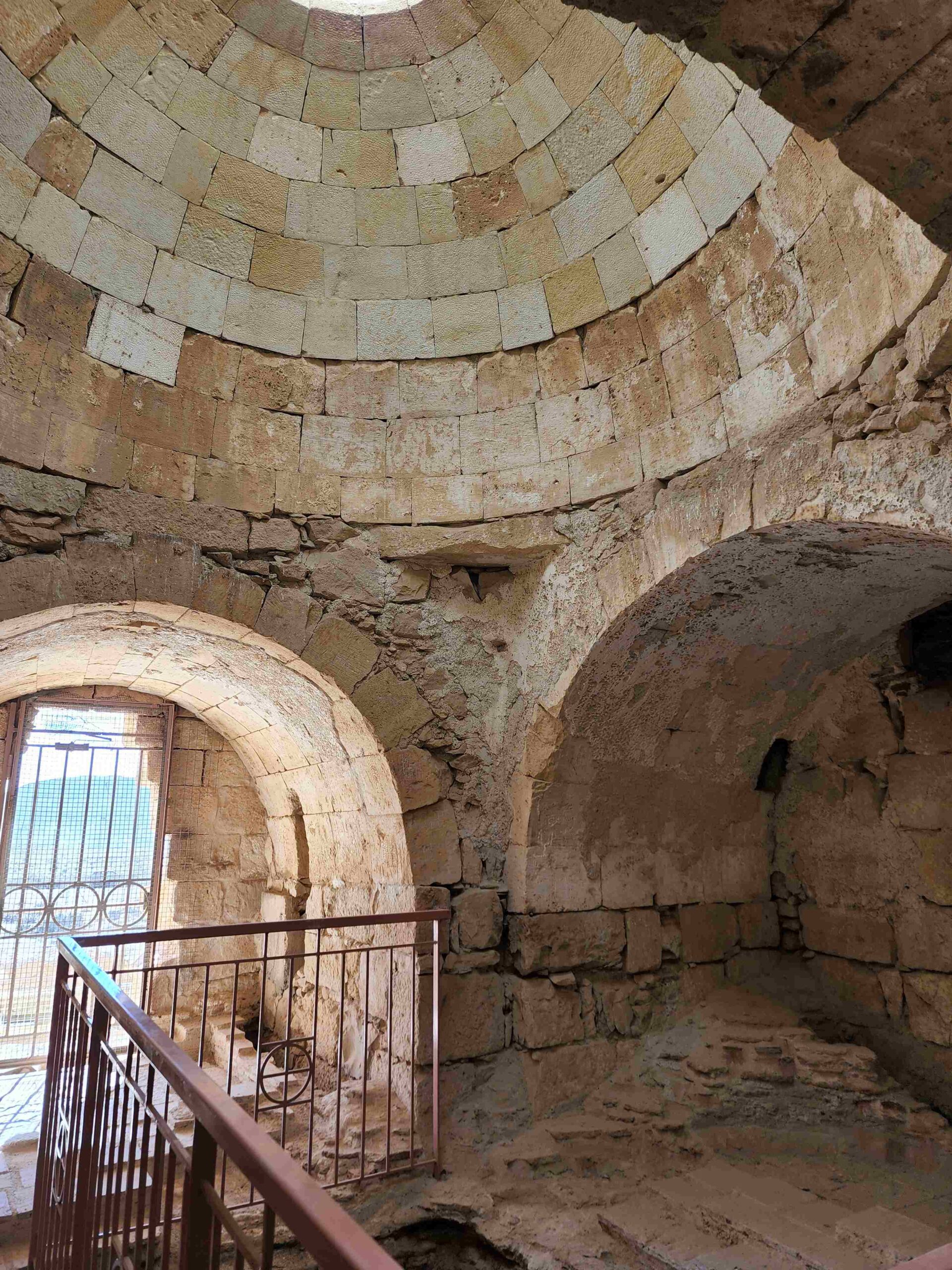
Our day begins at Avdat, a magnificent UNESCO World Heritage site. Located on the ancient Incense Route, Avdat served as a vital station for Nabatean traders transporting precious spices from Arabia to the Mediterranean.
We will walk through the remarkably preserved ruins to understand how these “Desert Masters” thrived in an arid climate.
Key Sights: The Roman-era acropolis, Byzantine churches, and ancient wine presses that reveal a surprising history of desert viticulture.
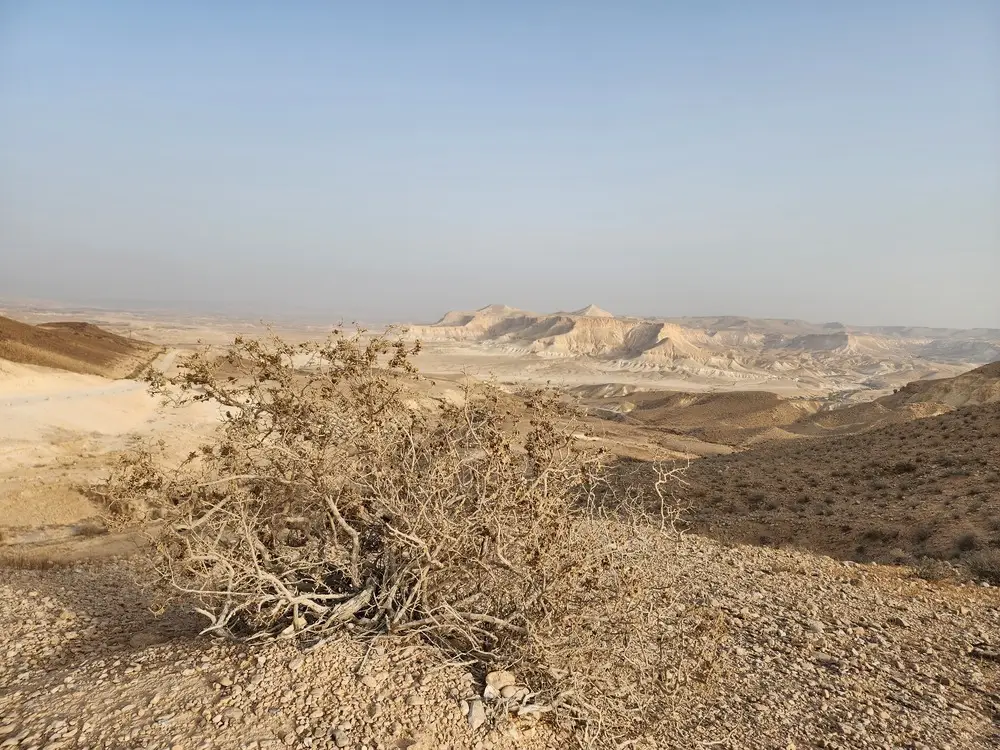
The View: A commanding lookout over the Zin Valley, offering a true sense of the desert’s scale.
Stop 2: Ramon Makhtesh – Nature’s Geological Masterpiece
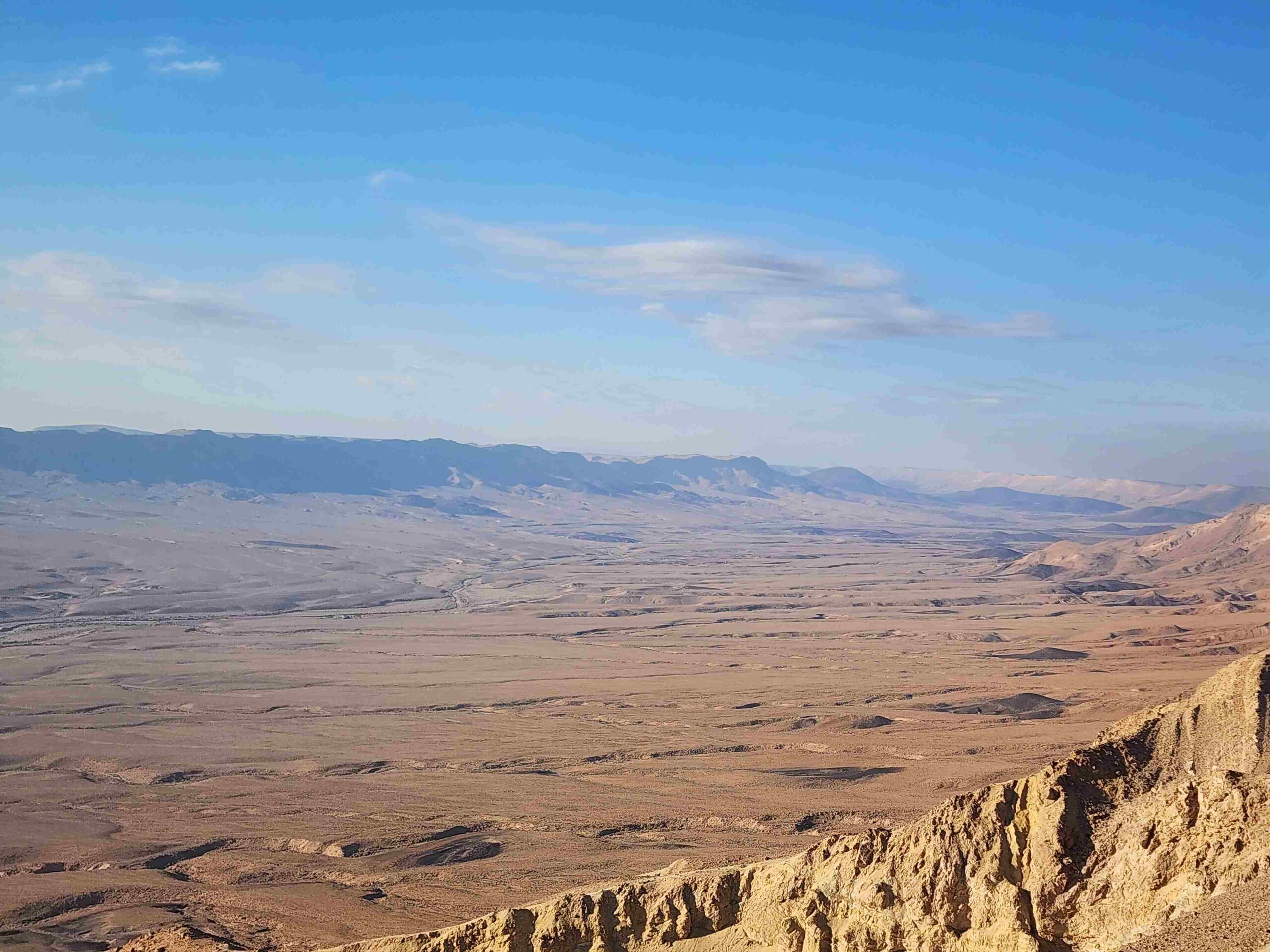
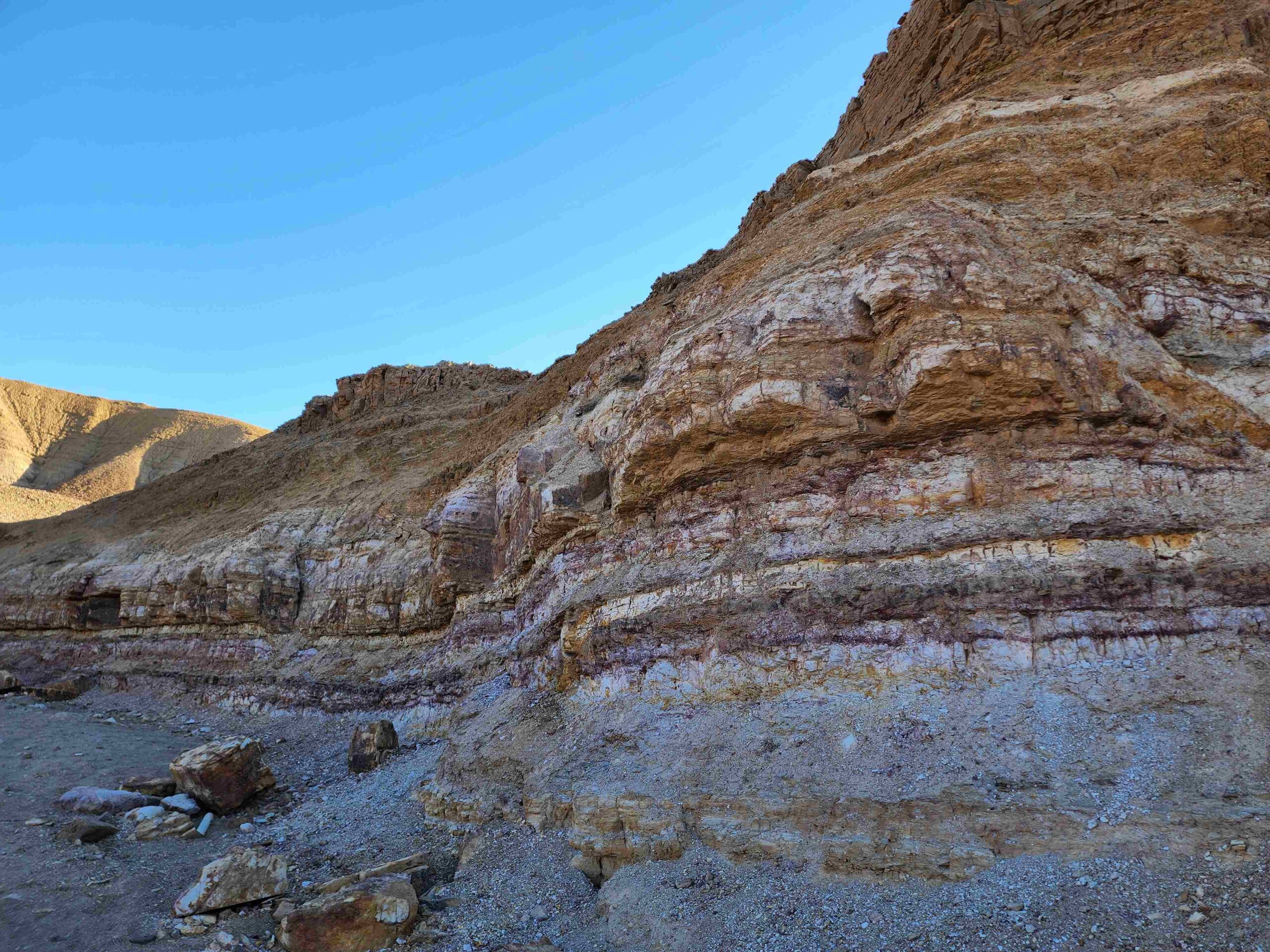
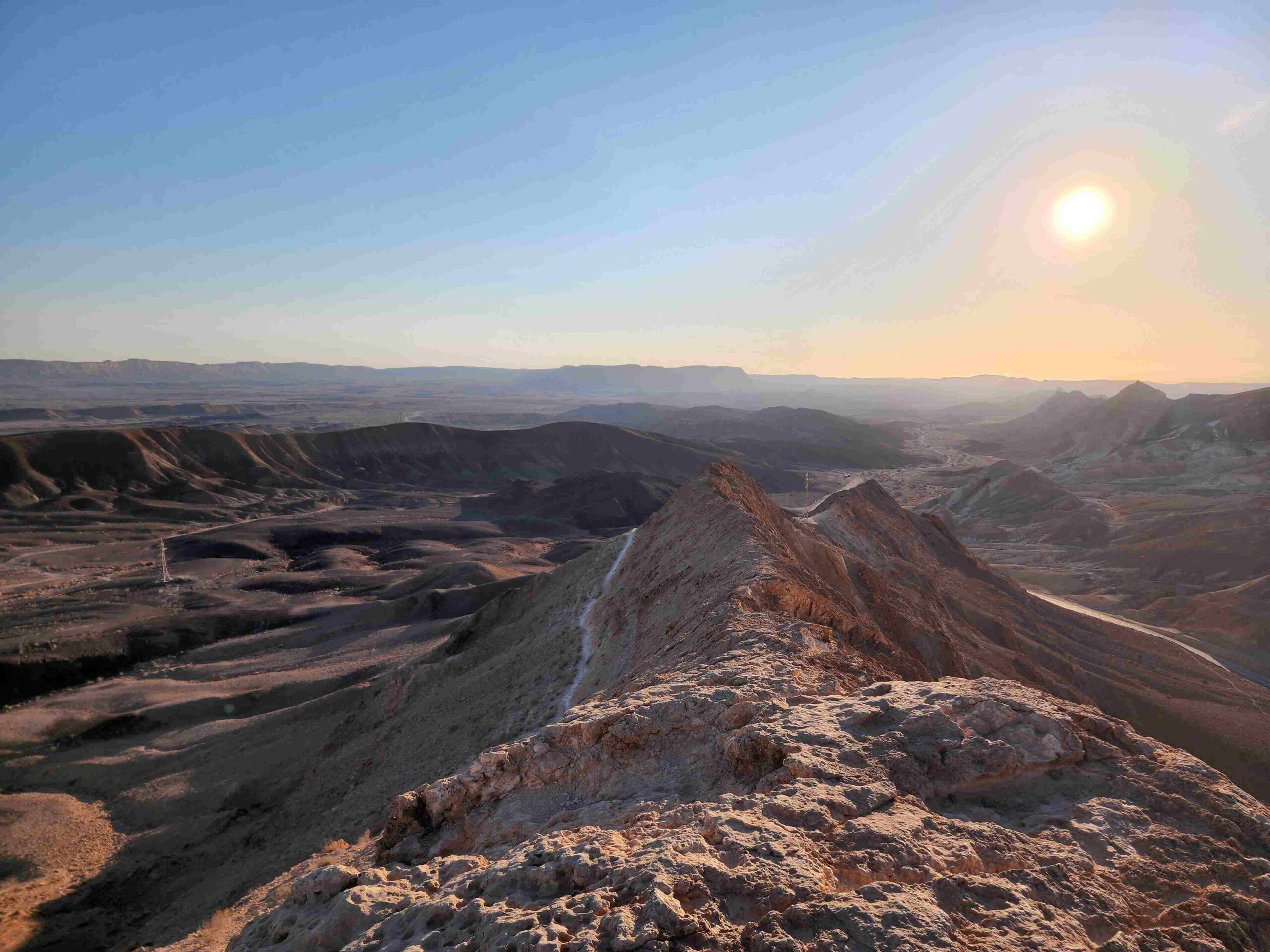
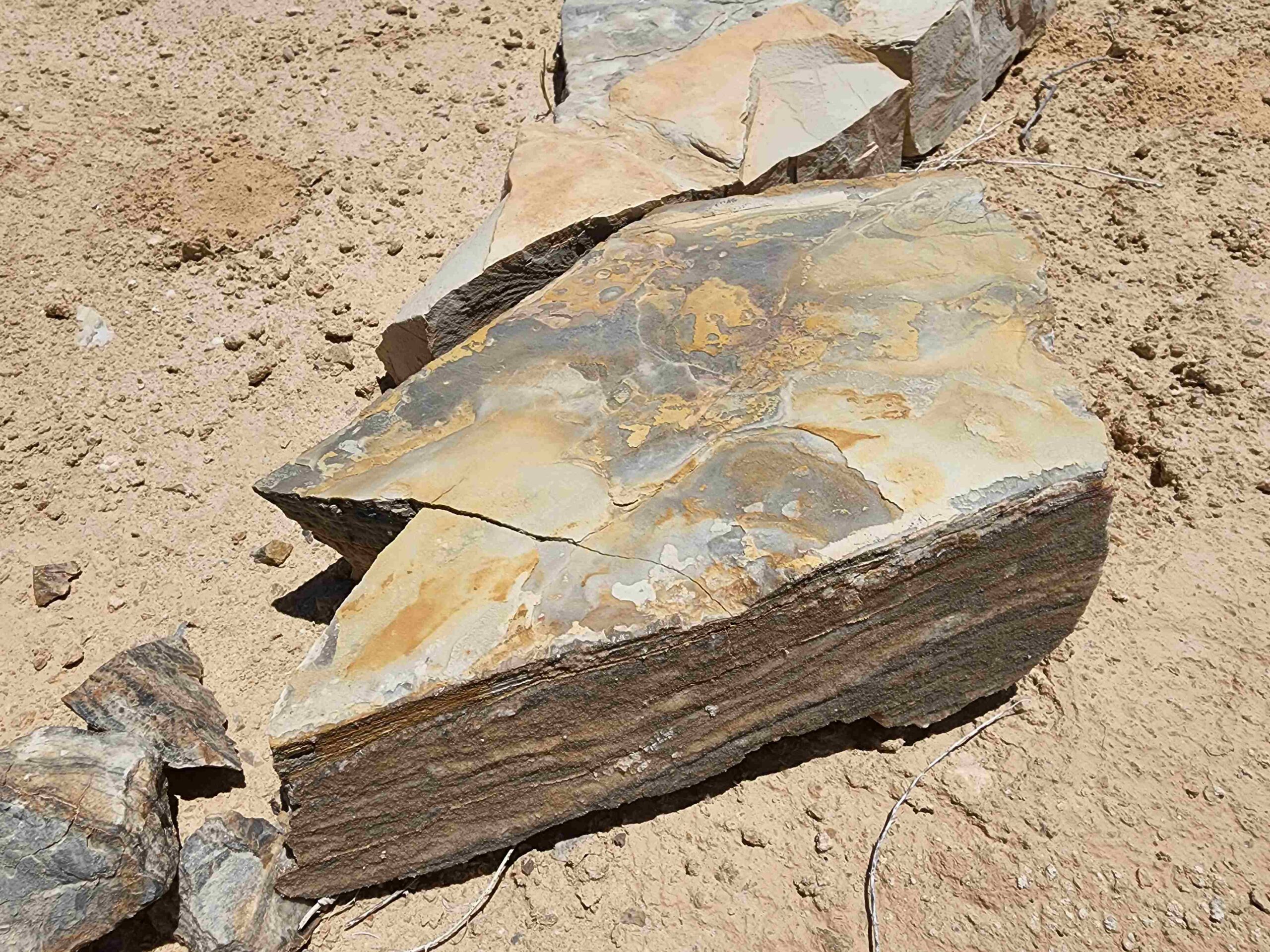
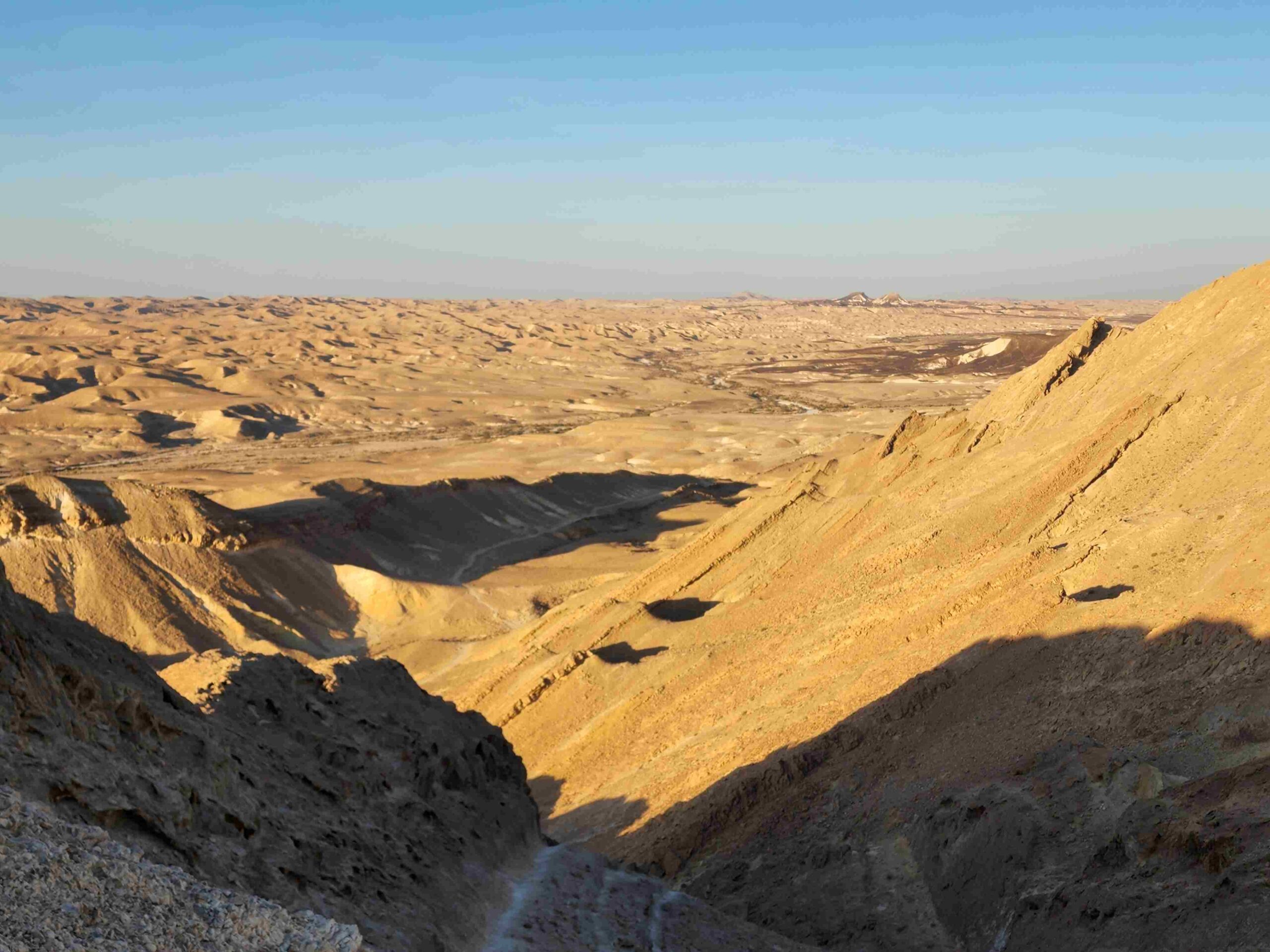
Following a midday break, we head south to the Ramon Makhtesh. Unlike typical craters formed by meteorites or volcanic eruptions, a Makhtesh is a unique erosion-formed valley. This specific one is the largest of its kind in the world, stretching 40km in length and showcasing a vibrant palette of sandstone and volcanic rock.
As we descend into the heart of this “natural laboratory,” we will witness millions of years of Earth’s history etched into the landscape. This is a place where the silence of the desert meets dramatic geological storytelling.
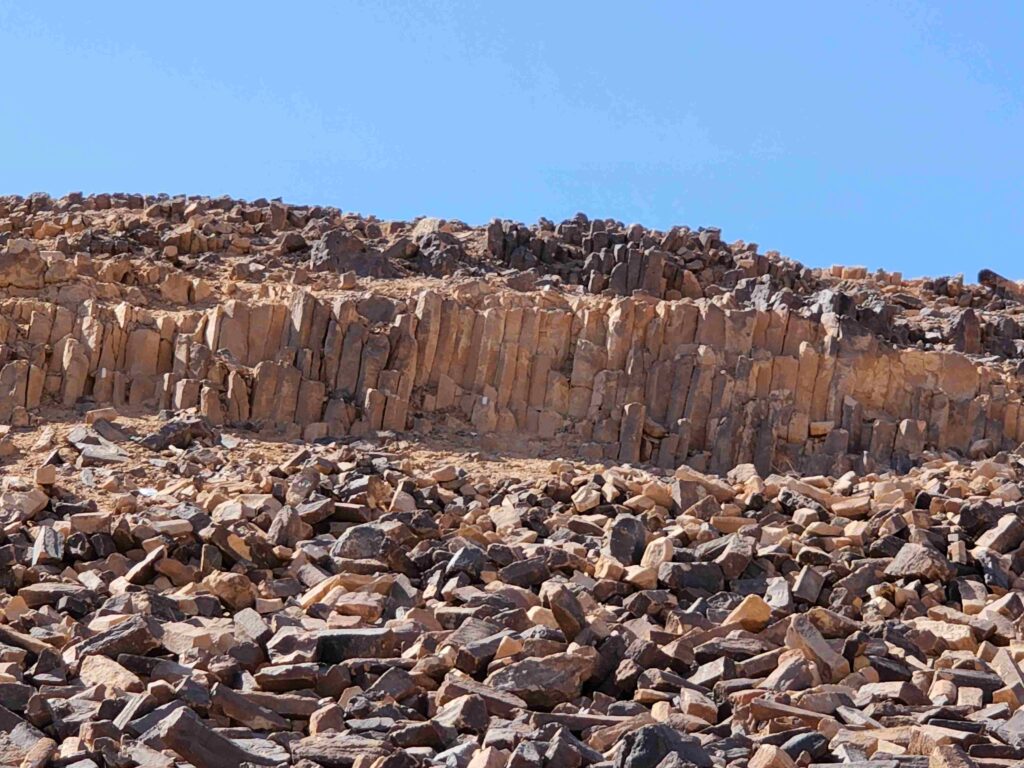
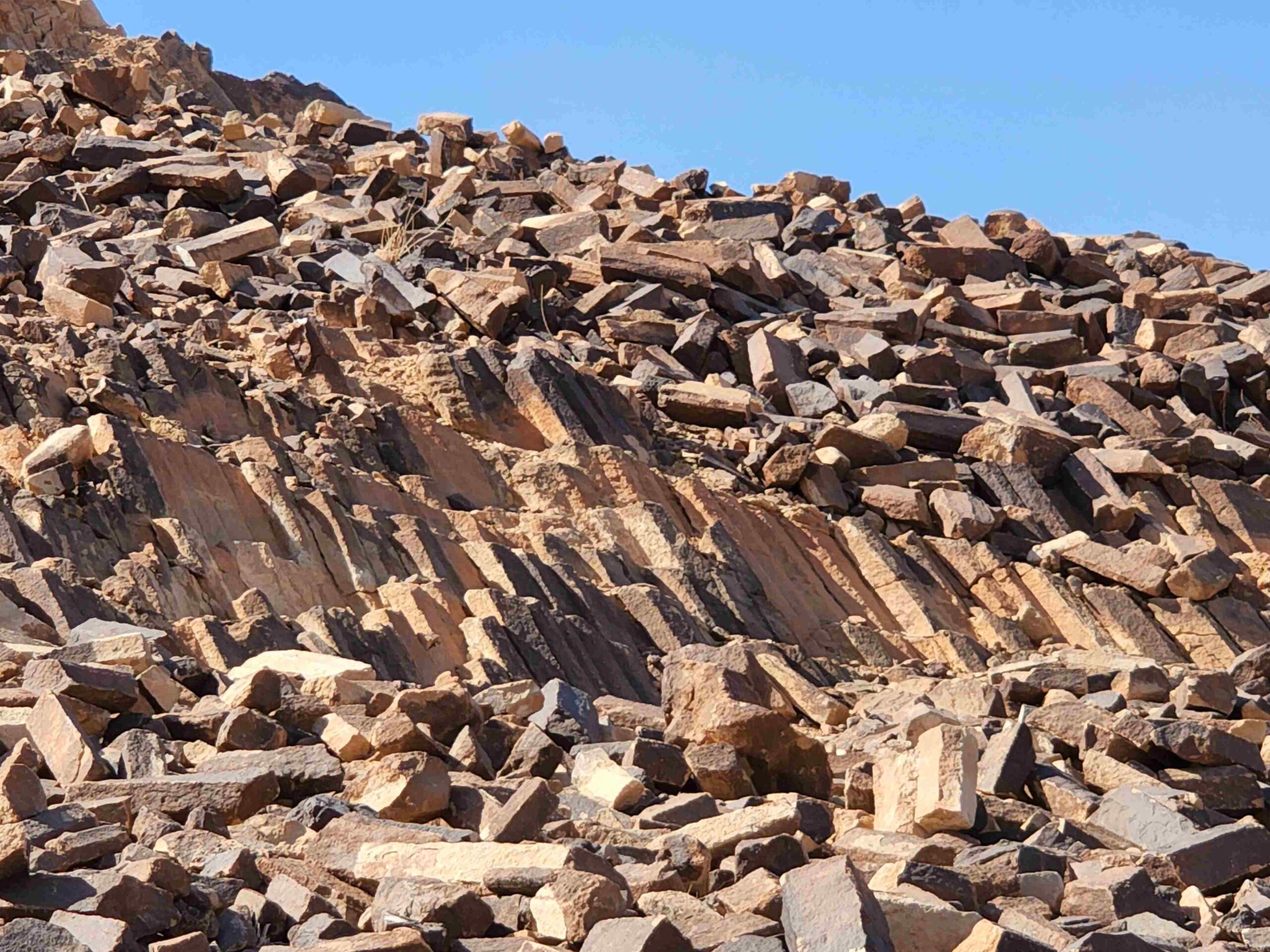
- The Prism (HaMinsara): A fascinating geological formation where sandstone was “baked” by underground magma and cooled into thousands of symmetrical, hexagonal quartz columns, resembling a giant carpenter’s workshop.
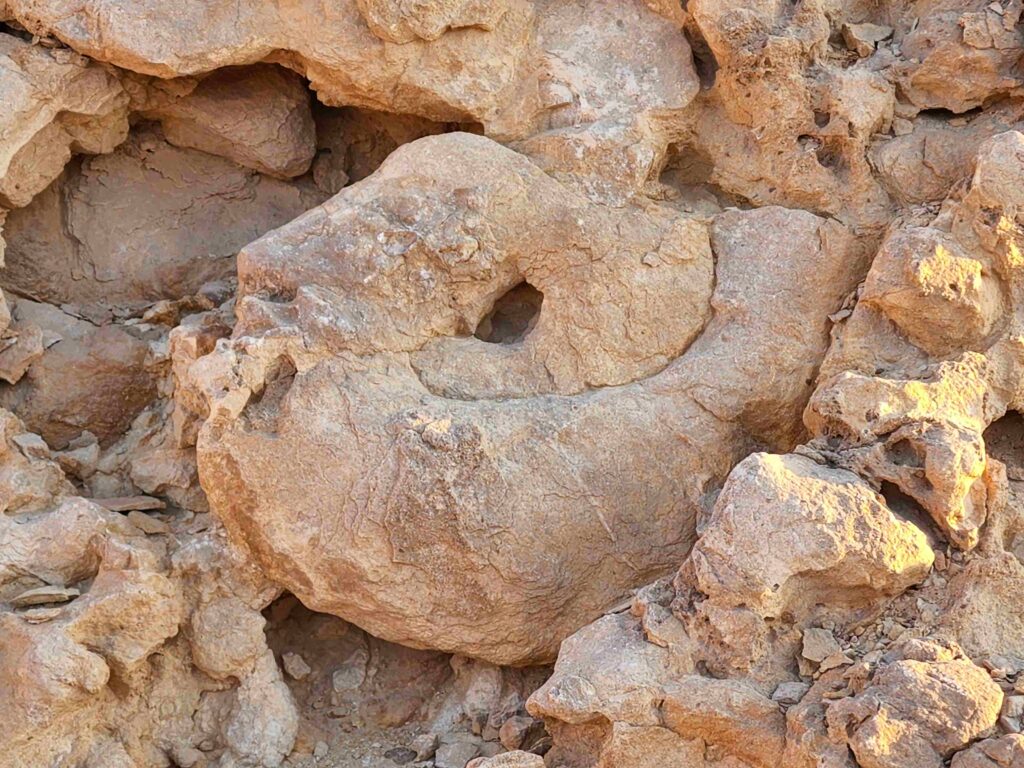
- The Ammonite Wall: We will visit a vertical rock face teeming with giant fossils of prehistoric sea
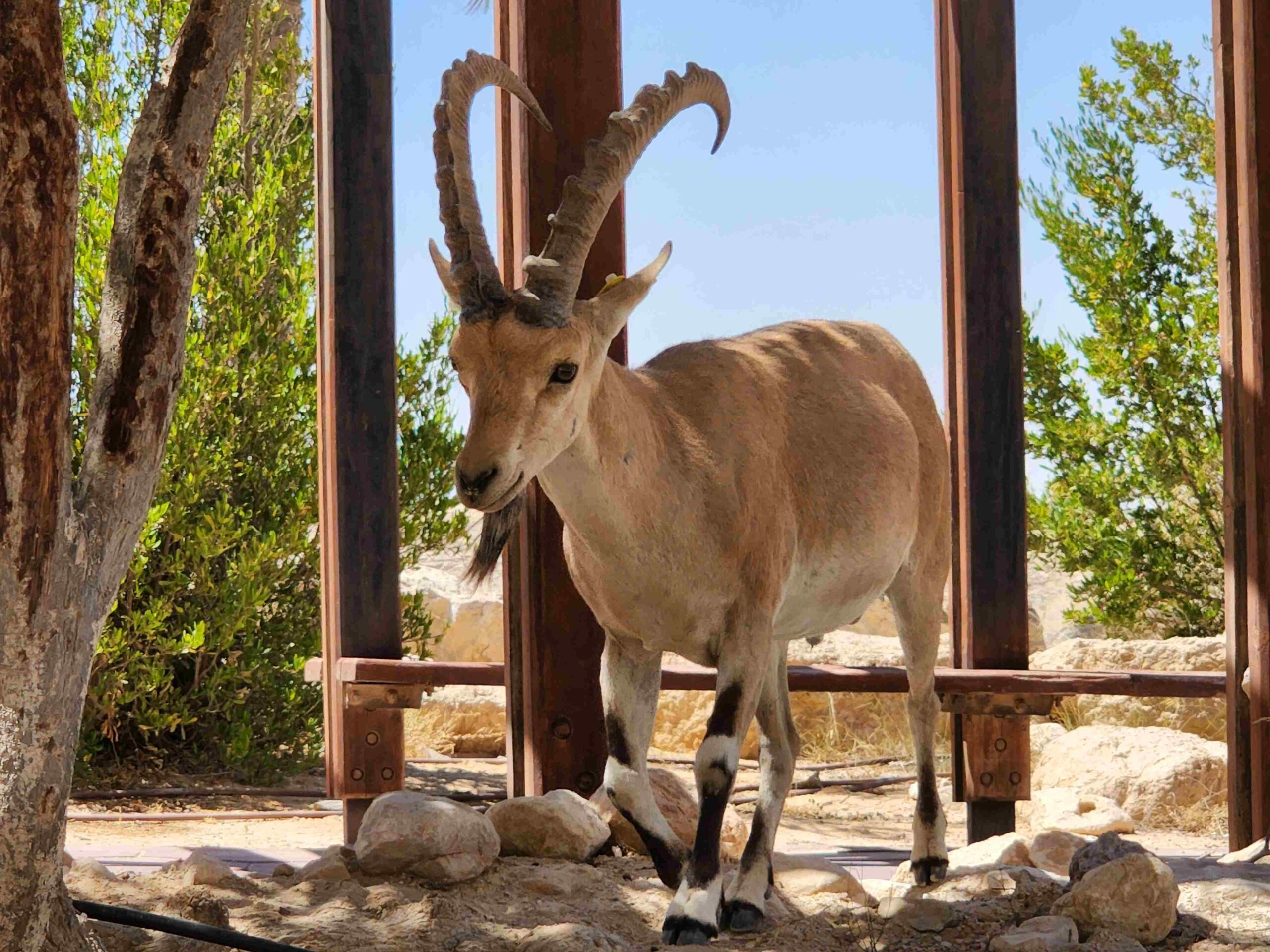
creatures. It is a surreal experience to touch these relics from the Tethys Sea in the middle of a dry desert. - The Edge: A stop at the Ramon Crater lookout in Mitzpe Ramon for a perspective-shifting view of the entire erosion cirque, where we might spot the local Nubian Ibex climbing the steep cliffs.
Trip Overview
Duration:
Full Day (Approx. 8-10 hours, depending on your starting point)
Pace:
Flexible and tailored to your interests
Activity Level:
Moderate (Involves light walking and short hikes)
Highlights:
UNESCO Heritage, ancient agriculture, rare fossils, and panoramic vistas

Frequently Asked Questions (FAQ)
When is the best time to visit the Negev?
The ideal season is from October to May, when temperatures are comfortable for hiking. While
the desert can be visited in the summer, we will adjust the schedule to explore during the
cooler morning and afternoon hours.
Is this tour suitable for families with children?
Absolutely! The sites are engaging and offer plenty of space to explore. I can adjust the walking
distances and the depth of the geological explanations to suit all ages.
How physically demanding is the day?
The tour involves light to moderate walking on uneven terrain. However, the itinerary is flexible-
we can focus more on scenic viewpoints accessible by car or include more challenging hikes if
you prefer a more active day.
Is the Negev desert safe?
Yes, the Negev is very safe for travelers. As a licensed guide, I stay updated on weather
conditions (especially flash flood alerts in winter) and trail safety to ensure a worry-free
experience.
Customizing Your Experience
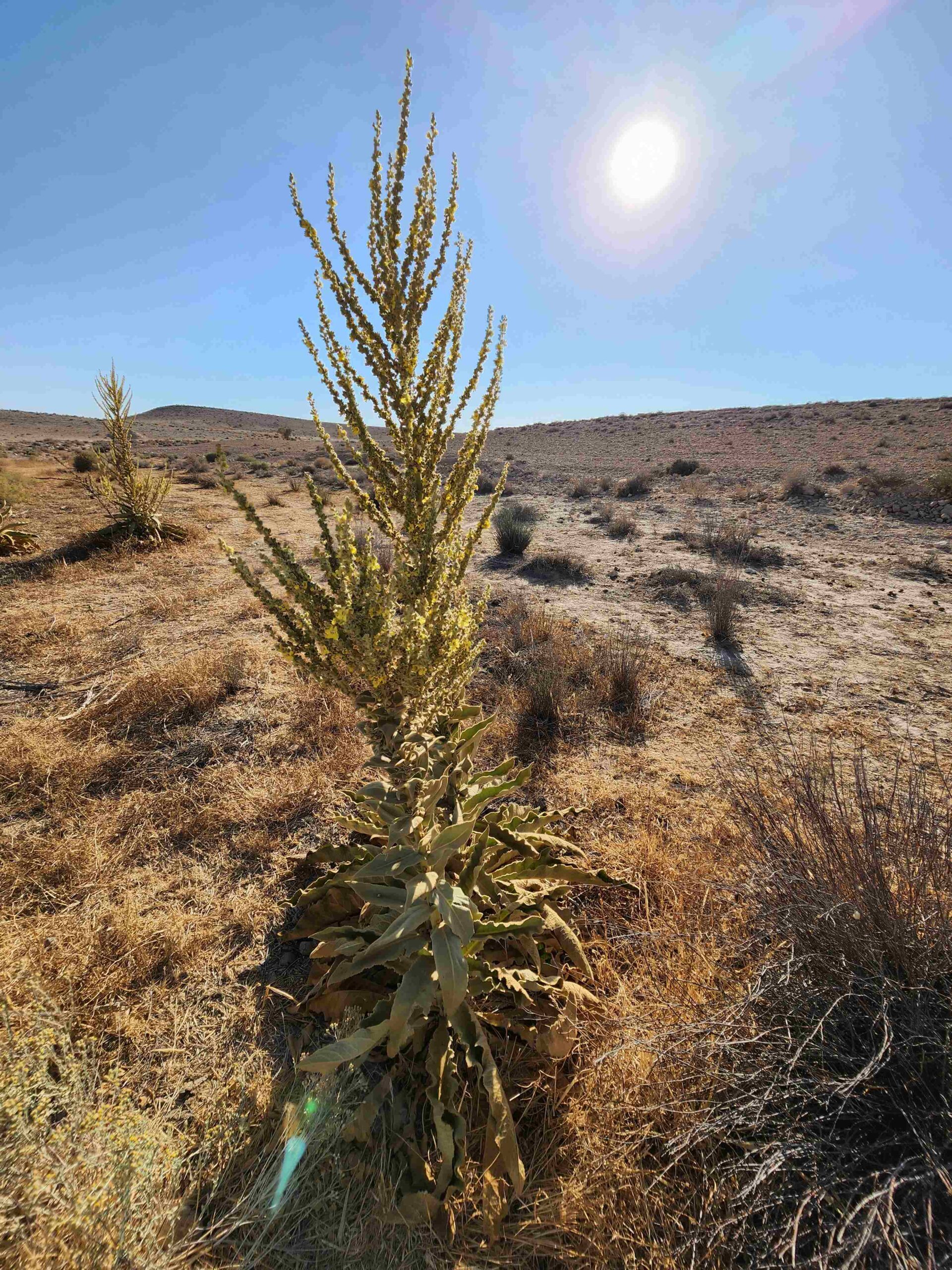
The desert offers endless possibilities. This itinerary serves as a starting point and can be adjusted based on your physical preference, specific interests (such as botany, birdwatching, or archaeology), or the time of year. Ready to plan your desert day? I invite you to reach out so we can discuss your preferences and create a tailor-made experience that fits your pace and style.
It's time to go on a trip
Leave your details and we will contact you